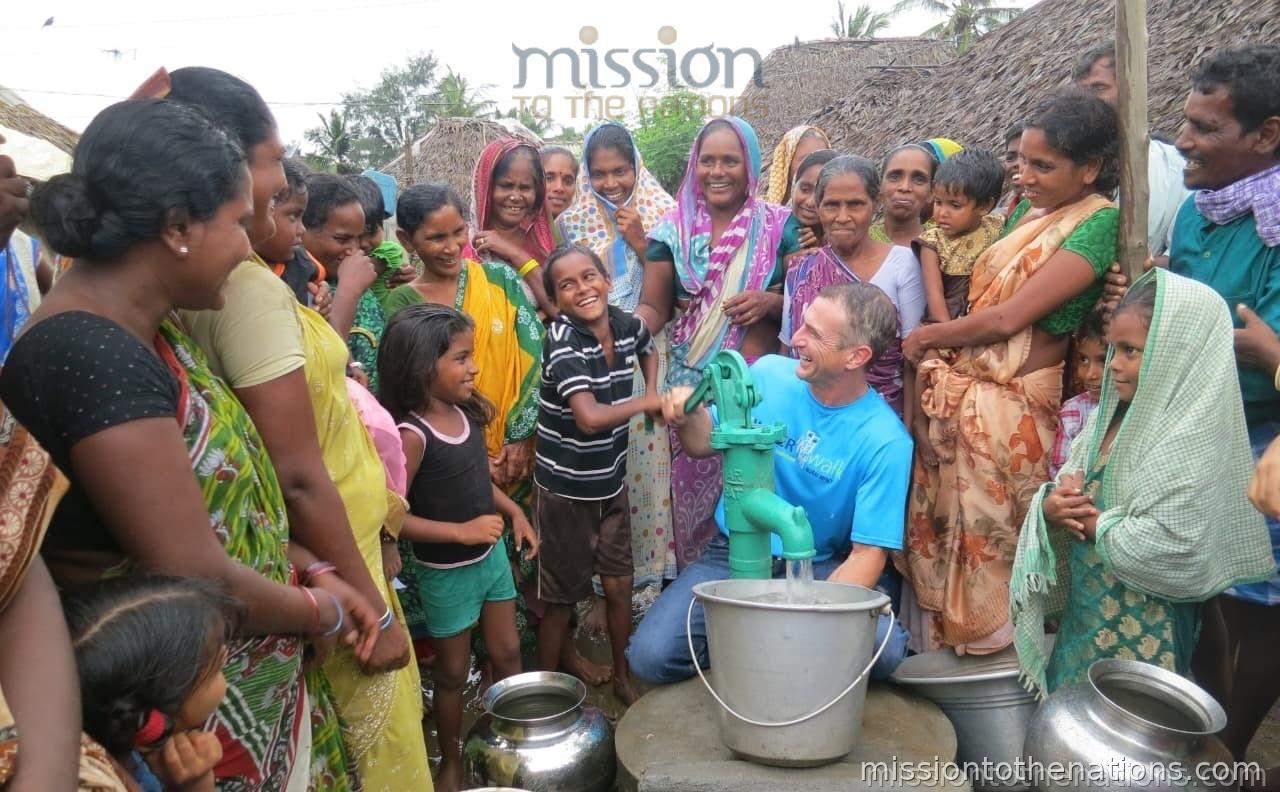
Clean Water Borewell Programme
Eight coastal villages. Eleven wells drilled. Three thousand lives with permanent access to safe drinking water — and a 61% reduction in waterborne illness at twelve months.
The Problem Safe Water Solves
Across the coastal delta communities of Andhra Pradesh, surface water sources — canals, ponds, open wells — are the primary drinking water supply for millions of people. These sources are shared with livestock, agriculture, and open defecation. In the villages MTN serves, they are also the only option families have.
Waterborne illness — typhoid, cholera, dysentery, and parasitic infections — is not occasional in these communities. It is a seasonal expectation. Families know which months are worst. They budget informally for children to fall sick. Women, who carry all responsibility for water collection, walk two to four kilometres per trip, multiple times per day, to sources that make their children ill.
MTN's field teams identified eight villages in coastal Andhra Pradesh where the burden was highest, groundwater surveys confirmed viable aquifer depth, and community consent was established through village assembly. Drilling began within three months of site selection.
How We Plan Borewells
Every borewell site begins with a hydrogeological survey — MTN does not drill speculatively. Survey data confirms aquifer location, estimated yield, and water quality. Only sites meeting minimum flow rate and quality standards proceed to installation. A concrete apron, drainage channel, and hand pump are standard at every site.
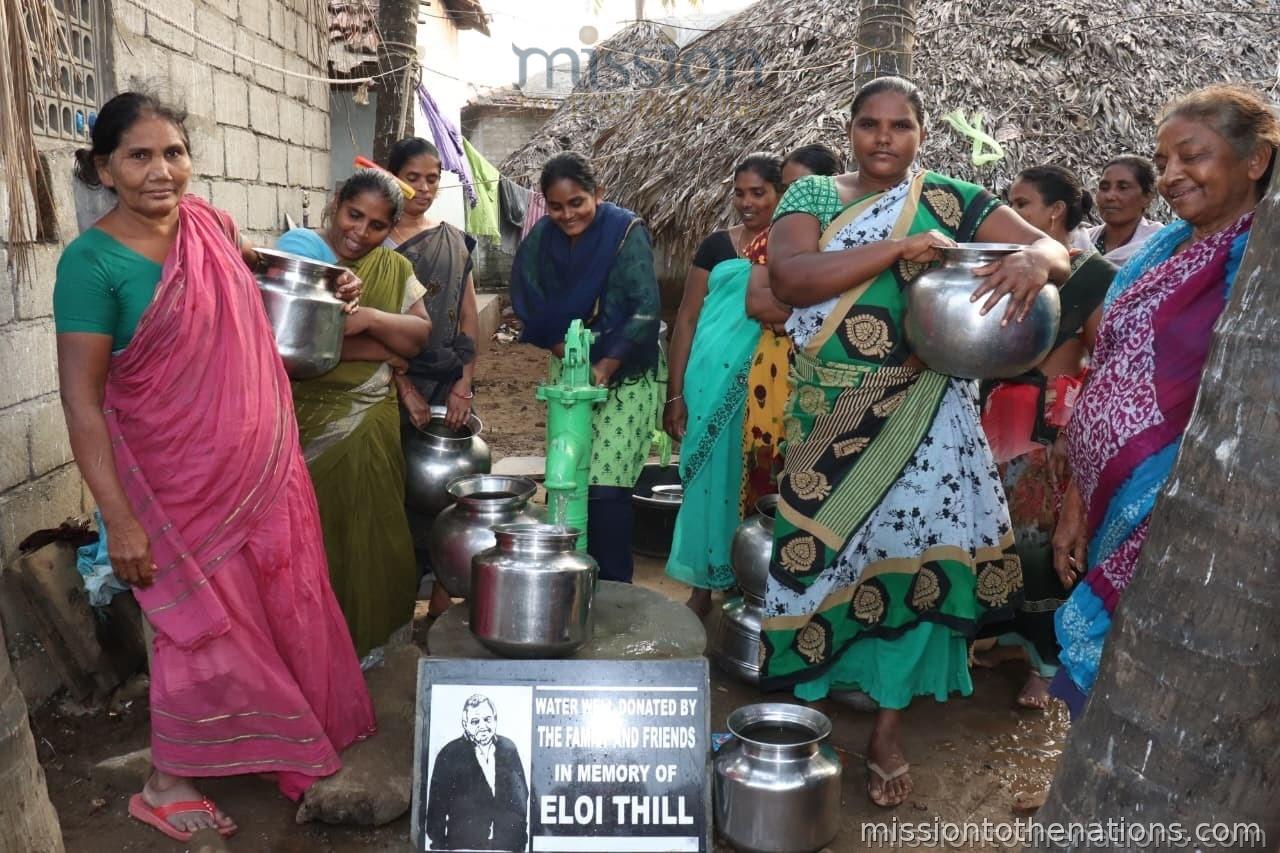
Each well is photographed and recorded with population served at installation. A named plaque acknowledges the donor at the well site. Independent verification is available to institutional funders on request — every well is findable on the ground.
Eight Villages. Eleven Wells.
| Community | Mandal / Area | Population | Borewells |
|---|---|---|---|
| Ramayyapalem | Narsapur Mandal | 312 | 1 |
| Krishnapuram | Bhimavaram Mandal | 428 | 2 |
| Thadepalligudem | Tadepalligudem | 540 | 2 |
| Mogalturu Colony | Mogalturu Mandal | 280 | 1 |
| Palakollu Basti | Palakollu Mandal | 374 | 1 |
| Undi Peta | Undi Mandal | 260 | 1 |
| Nidadavolu Colony | Nidadavolu Mandal | 495 | 2 |
| Iragavaram | Achanta Mandal | 316 | 1 |
| Total | 8 communities | 3,005 | 11 |
Population figures based on household census data collected during site selection surveys.
What the Data Shows at 12 Months
| Metric | Target | Status | Note |
|---|---|---|---|
| Wells installed | 11 | ✓ 11 complete | All hand-pump wells, photographed at completion |
| Communities served | 8 | ✓ 8 communities | Coastal Andhra Pradesh |
| Population with permanent access | 3,005+ | ✓ 3,005 reached | Based on census household data |
| Average travel distance to water | ≤ 1.6 km | ✓ < 0.4 km avg | Down from 2–4 km before installation |
| Waterborne illness incidence | Measurable drop | ✓ ↓ 61% | 12-month post-installation review |
| Community water committees formed | 8 | ✓ 8 VWSCs active | Village Water & Sanitation Committees |
| Women primary water-carriers | All sites tracked | ✓ Time burden ↓ 2h/day | Women report avg 2 hours freed daily |
| Hand-pump functionality at 12 months | ≥ 90% | ✓ 100% operational | Community-maintained with MTN training |
Four Areas of Documented Change
11 Wells. 8 Communities. Permanent.
- ✓11 hand-pump wells installed across 8 villages
- ✓Each well photographed and documented at completion
- ✓Average depth 250 m — reaching clean sub-surface aquifer
- ✓Concrete apron and drainage channel at every site
- ✓Named plaque installed — donor recognition at the well
Waterborne Illness Down 61%
- ✓61% reduction in waterborne illness cases at 12 months
- ✓Cholera and typhoid incidence eliminated at 5 of 8 sites
- ✓Child diarrhoea rates fell across all 8 communities
- ✓MTN clinic referrals for water-related illness fell sharply
- ✓Outcomes reviewed against clinic records and field interviews
2 Hours Freed. Every Day. Per Woman.
- ✓Women previously walked 2–4 km to fetch water daily
- ✓Average 2 hours per day freed for income-generating work
- ✓School attendance among girls improved at 6 of 8 sites
- ✓Water collection now accessible to elderly and disabled
- ✓Community-owned — no ongoing cost to village after installation
8 Village Water Committees Active
- ✓One Village Water & Sanitation Committee (VWSC) per site
- ✓Committee trained in pump maintenance and minor repair
- ✓MTN provides annual check-up and spare parts support
- ✓Maintenance fund established by community at each site
- ✓No well has failed in the 12 months post-installation
One Gift. One Well. Forever.
Community Education Programme
A borewell provides clean water at the pump. The education programme ensures it stays clean from pump to cup — and that the community can maintain the infrastructure independently.
Safe Water Handling
Training households to store, handle, and use water safely — so the well's clean output stays clean from pump to cup.
Handwashing & Hygiene
Community sessions on hygiene practice, with demonstration stations at each well site. Children trained alongside adults.
Waterborne Disease Recognition
Communities trained to identify early symptoms and refer to MTN clinic or mobile camp — cutting illness duration and severity.
Village Water & Sanitation Committees
Every borewell installation is accompanied by the formation of a Village Water & Sanitation Committee (VWSC). The committee — elected from within the community — takes ownership of pump maintenance, minor repairs, and water quality monitoring from day one. MTN provides training, a starter tool kit, and an annual check-up visit.
This is what makes each installation permanent. MTN does not manage the well after handover — the community does. The goal is not dependence. It is capability.
Every Well Is Findable
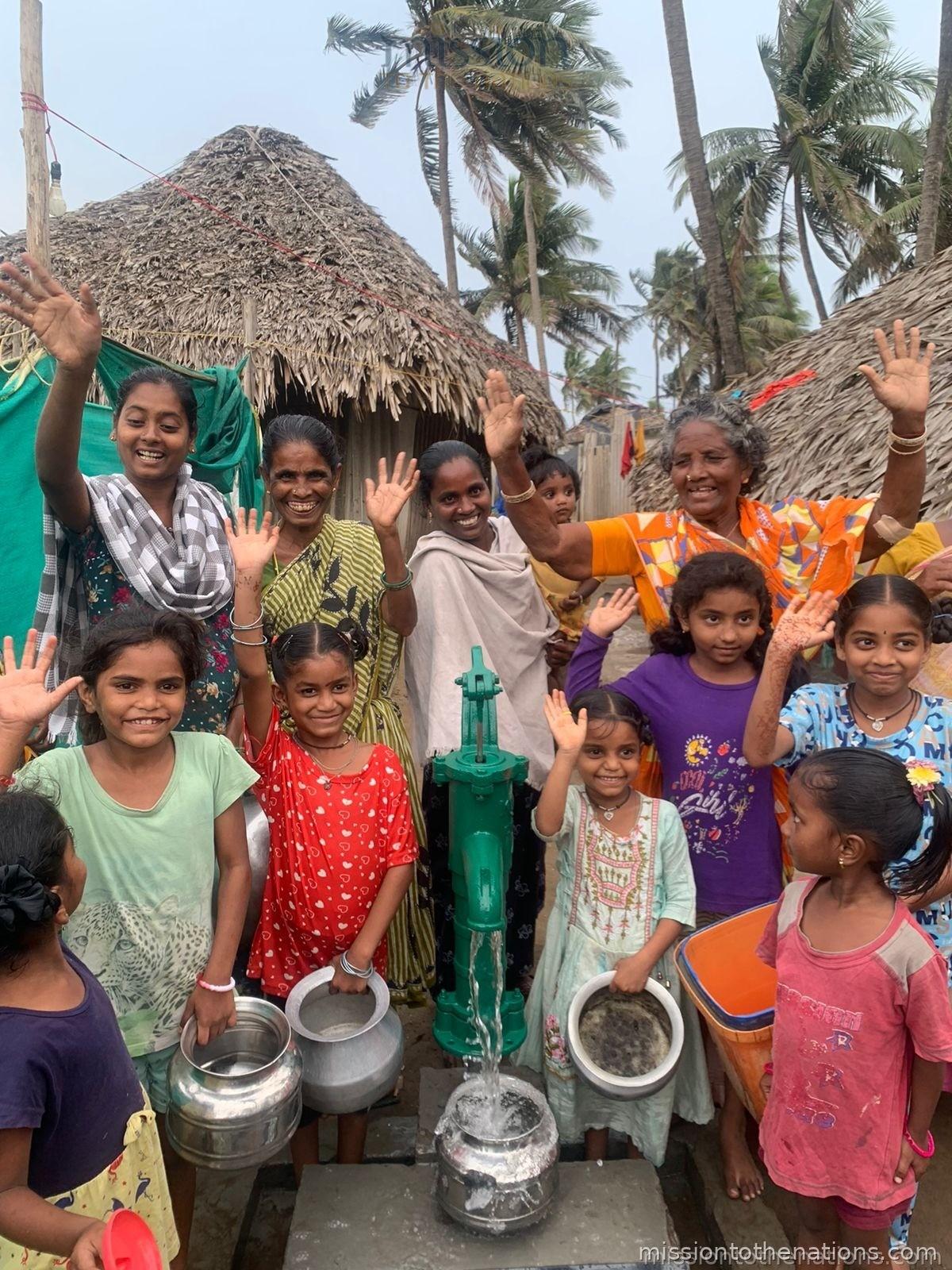
Institutional donors and grantmakers can request installation photographs, community sign-off documentation, and field verification data for any well funded through MTN. Nothing is unverifiable.
Fund a Clean Water Well
$2,000 builds one complete well — survey, drilling, pump, concrete apron, named plaque. An entire village. Permanent access. One gift that never needs repeating.