Livelihoods & Enterprise
Sewing, bag-stitching, pottery, kitchen management, garden work, poultry, and cattle — six pathways from vulnerability to cooperative enterprise, built into the MTN ecosystem.
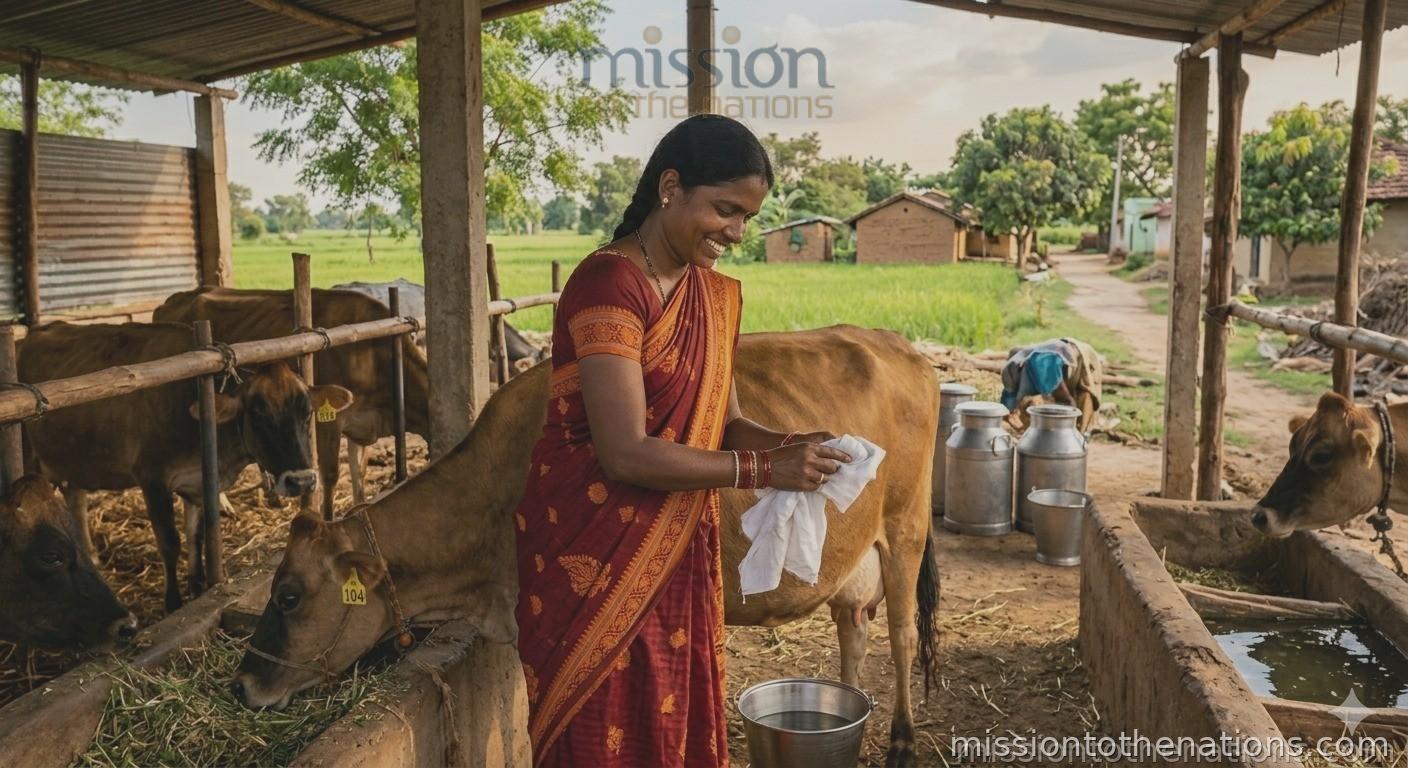
Ruth had buried two children before she was thirty. Her husband left when the second one died — he said it was her fault for being unlucky. She raised her daughter alone on whatever fieldwork she could find. Some mornings there was no work. On those mornings there was no food.
When MTN's field worker told her about the cattle cooperative, she did not believe it was real. She had never owned anything. She joined because she had no other option. Within six weeks she was managing part of the herd — feeding, milking, recording yields. She learned which animals were off, which were healthy, how to read a cow the way you read weather. The milk goes to the children's home first. The surplus she sells. She earns ₹6,500 a month now, more in good months. Last year her daughter finished school. Ruth was there. She wore a new sari she had bought herself. She told our field worker: I did not think I would ever buy anything new again.
Ruth's herd feeds children. Her income feeds her family. One cooperative does both.
Read Ruth's full story →Sewing, Tailoring & Bag-Stitching
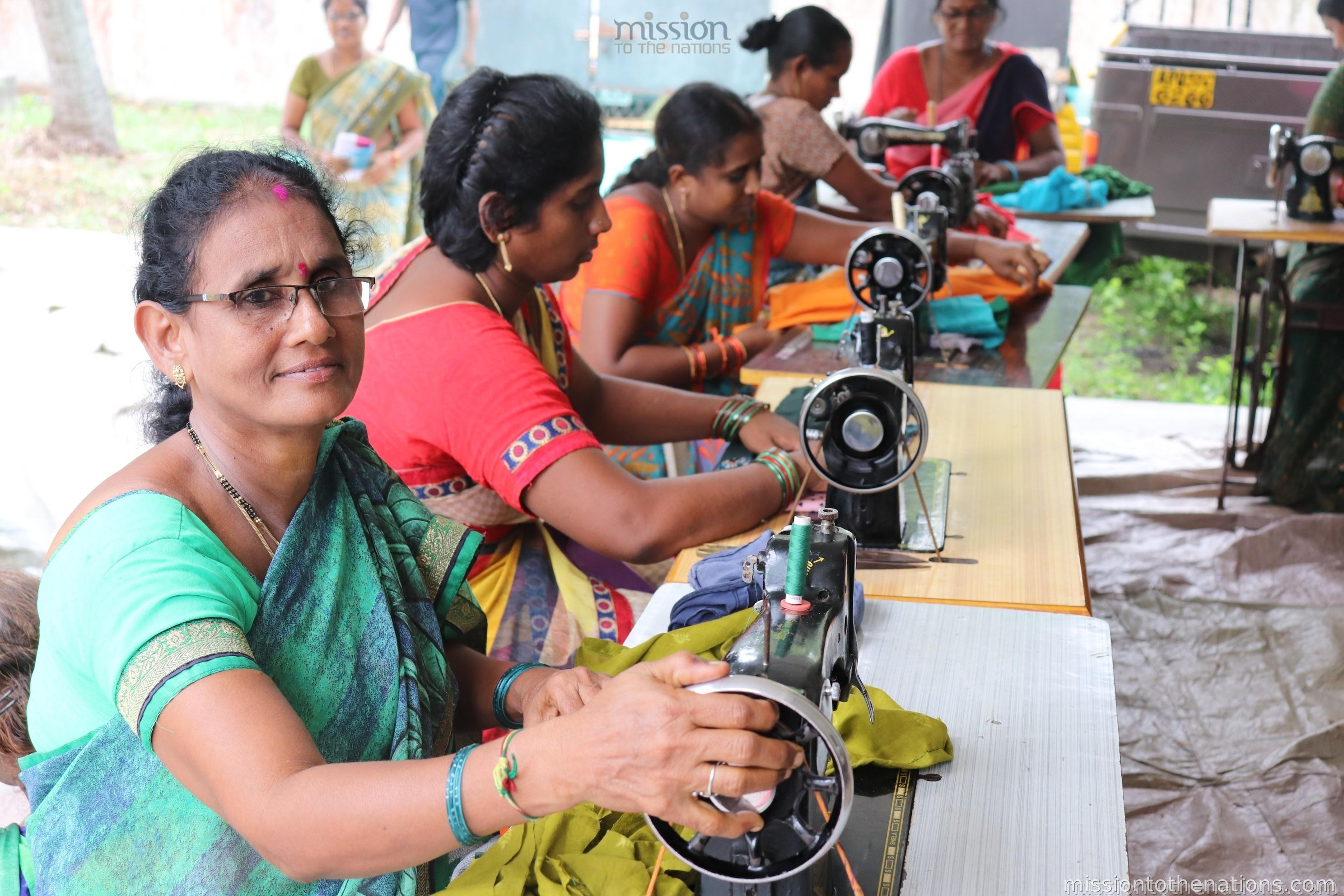
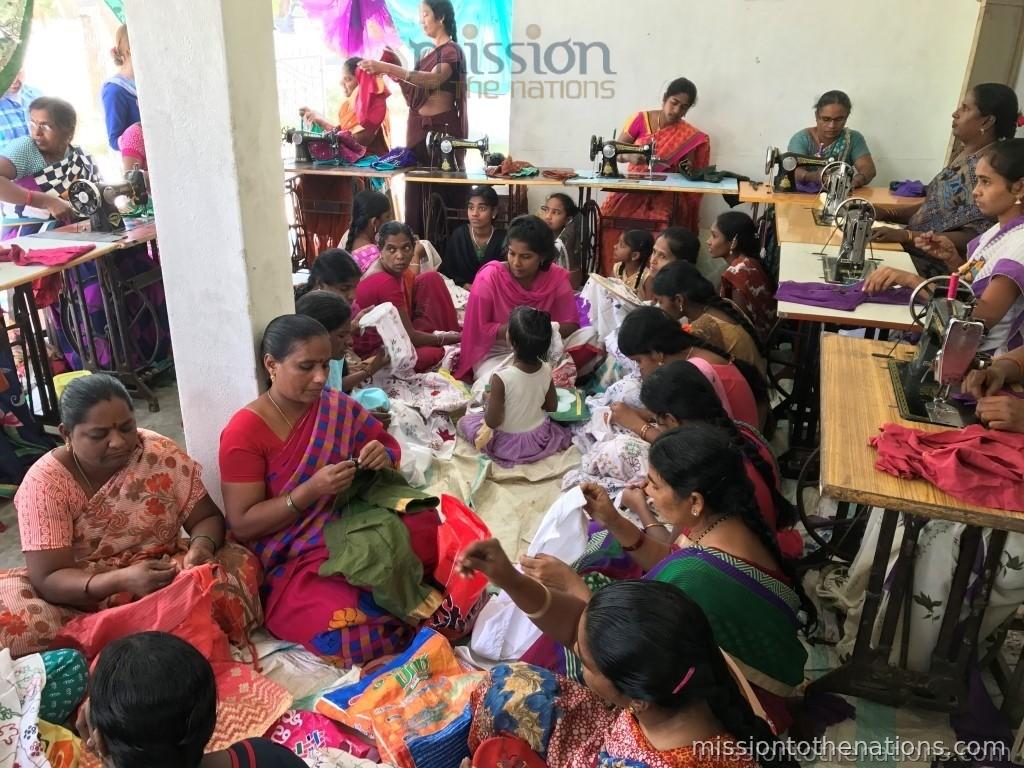
Across the communities MTN serves, women face the same structural barriers: limited education, no economic opportunity, and no social standing. The majority of rural women have no independent income of their own.
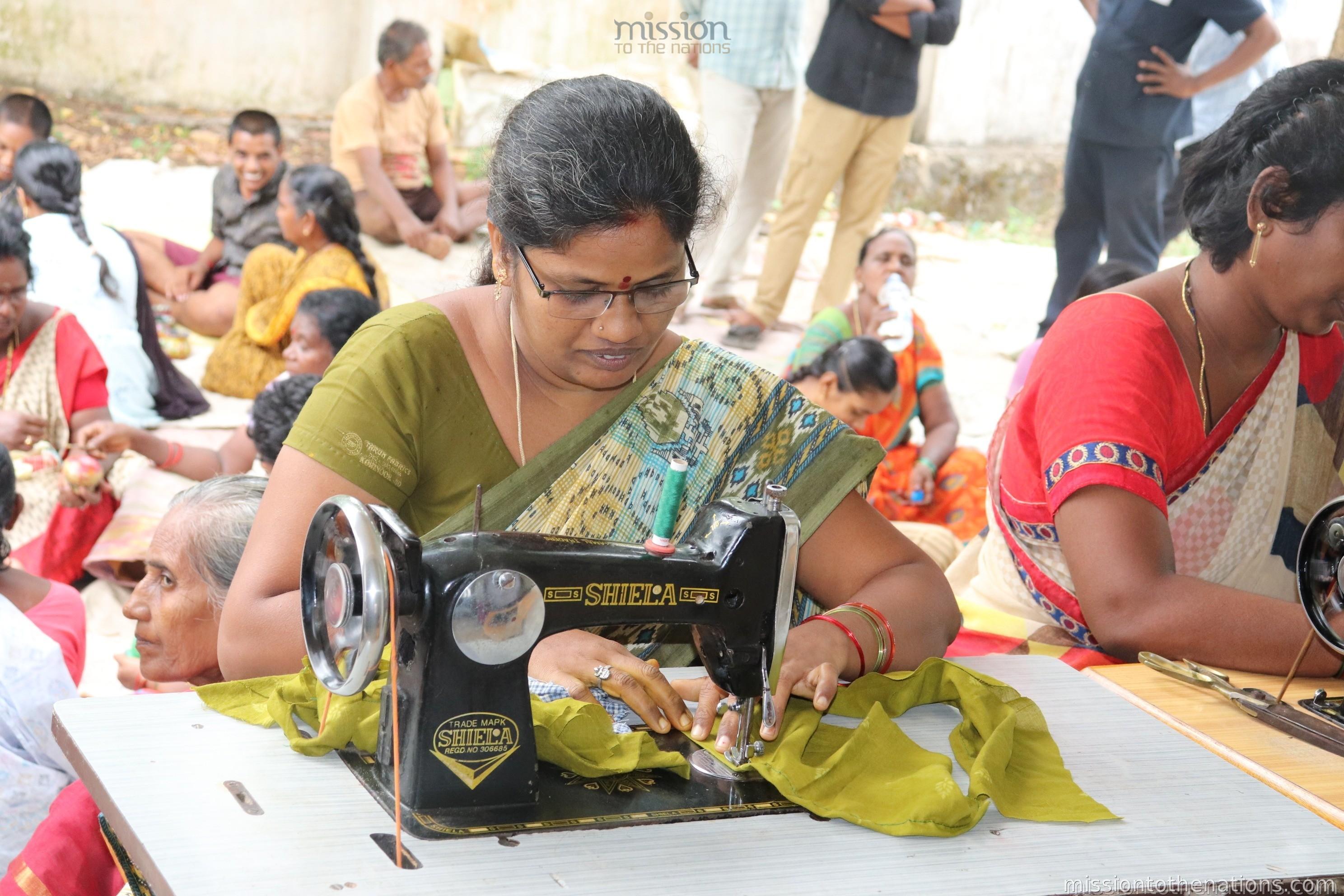
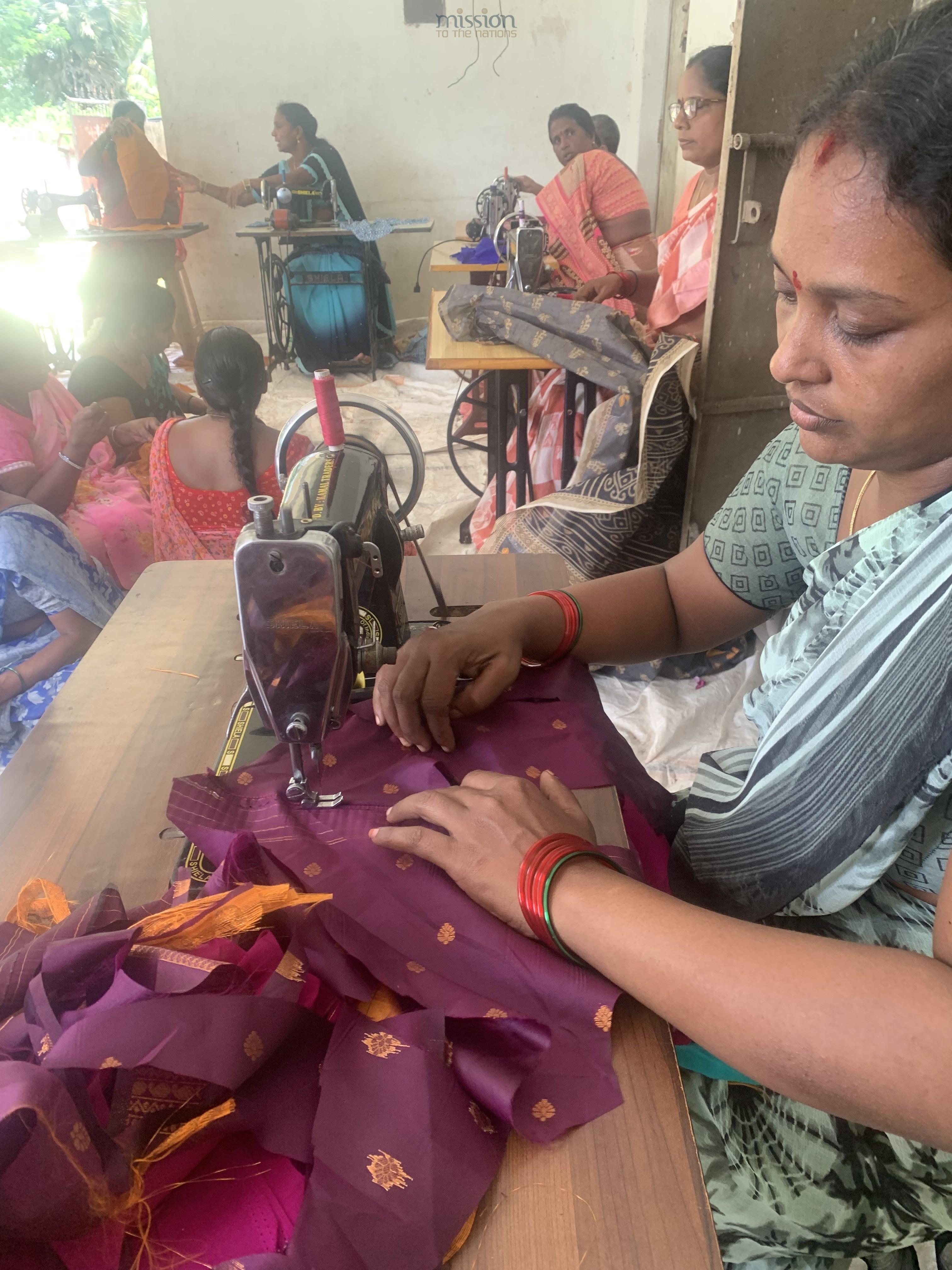
MTN's 9-month vocational training programme provides women with sewing and tailoring skills, bag-stitching production work, literacy, hygiene education, and business basics. Graduates receive a sewing machine and startup kit. Bag-stitching runs as a parallel production stream — cloth bags and carry-bags are sold through local stalls and bulk orders, giving graduates a fast-turnover income alongside tailoring work.
Hundreds of women have become leaders in their villages — sharing their skills, advocating for children's education, and improving the quality of life for entire communities.
Pottery & Crafts Enterprise
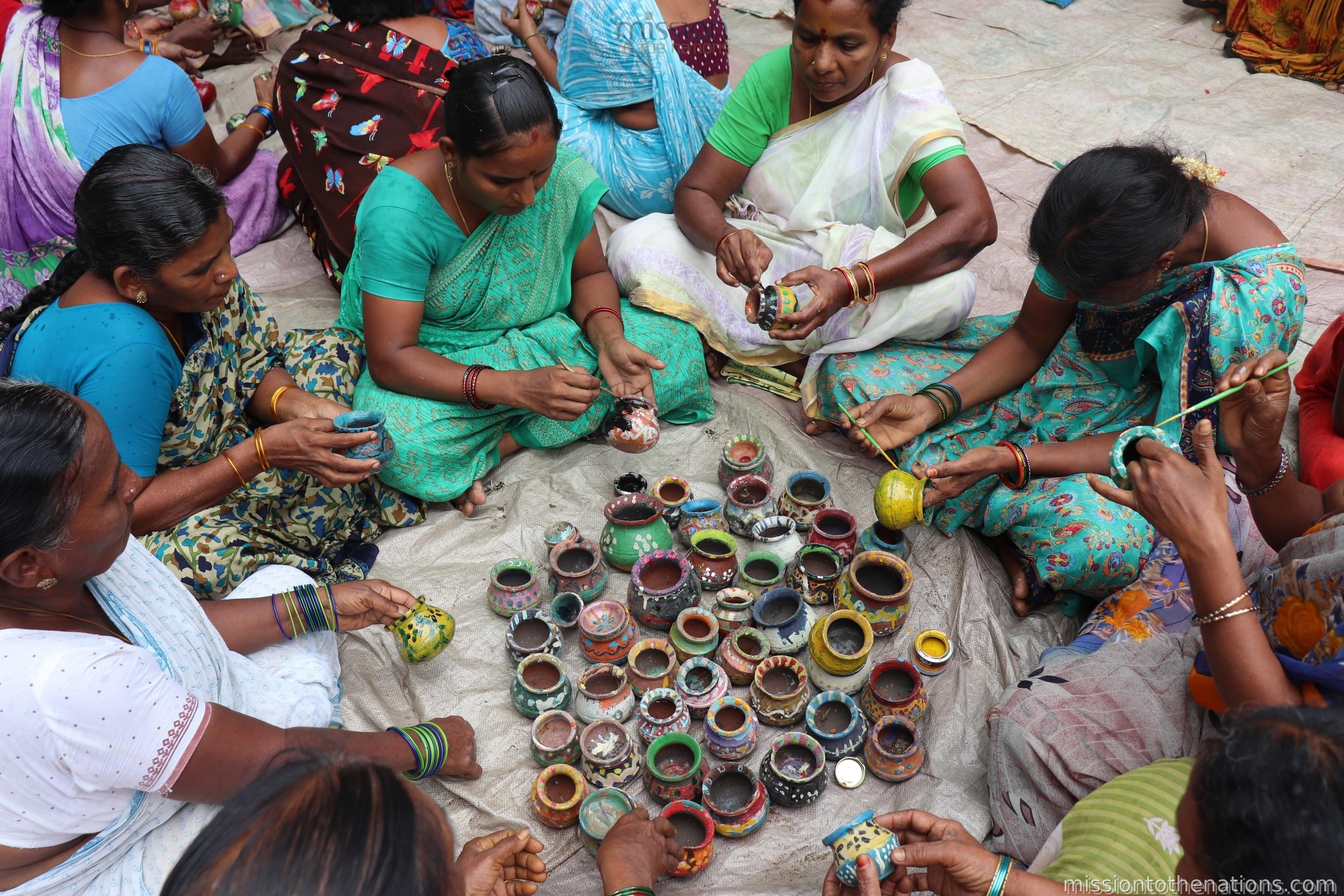
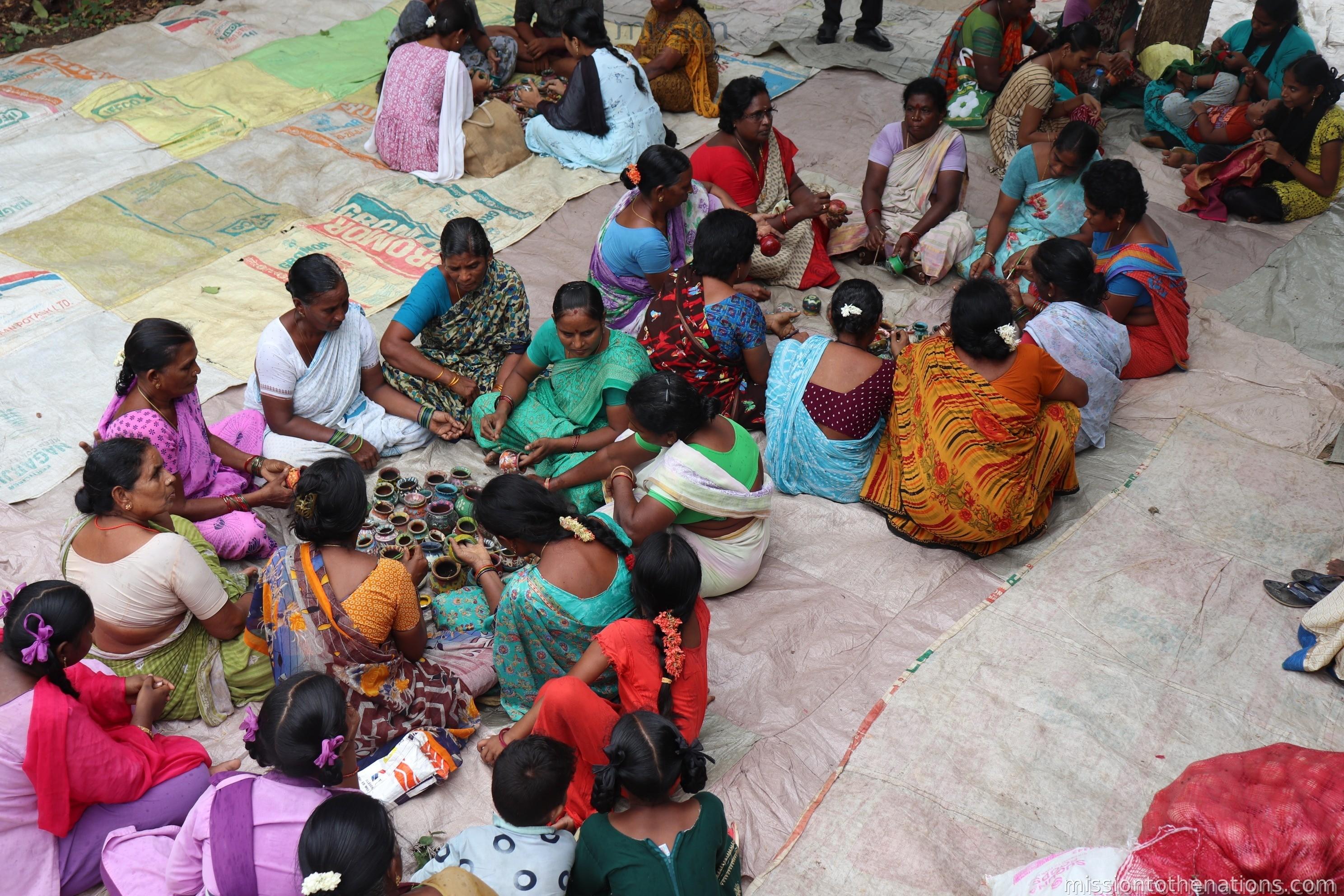
Alongside sewing, MTN runs pottery and crafts classes that produce decorative pots, painted goods, and handmade items sold at local market stalls and through cooperative supply contracts. No recurring equipment cost — the income is immediate and the skill travels with the woman wherever she goes.
One Decision Changes a Family
Ruth manages a cattle herd and paid her daughter's school fees from milk sales. Subbamma, at 52, joined the programme not knowing if it was for someone her age — she now runs two income streams and pays her granddaughter's school fees. Neither had any income of their own before they joined. Your gift opens that door.
Programme Curriculum
Running the Kitchen Is Skilled Work
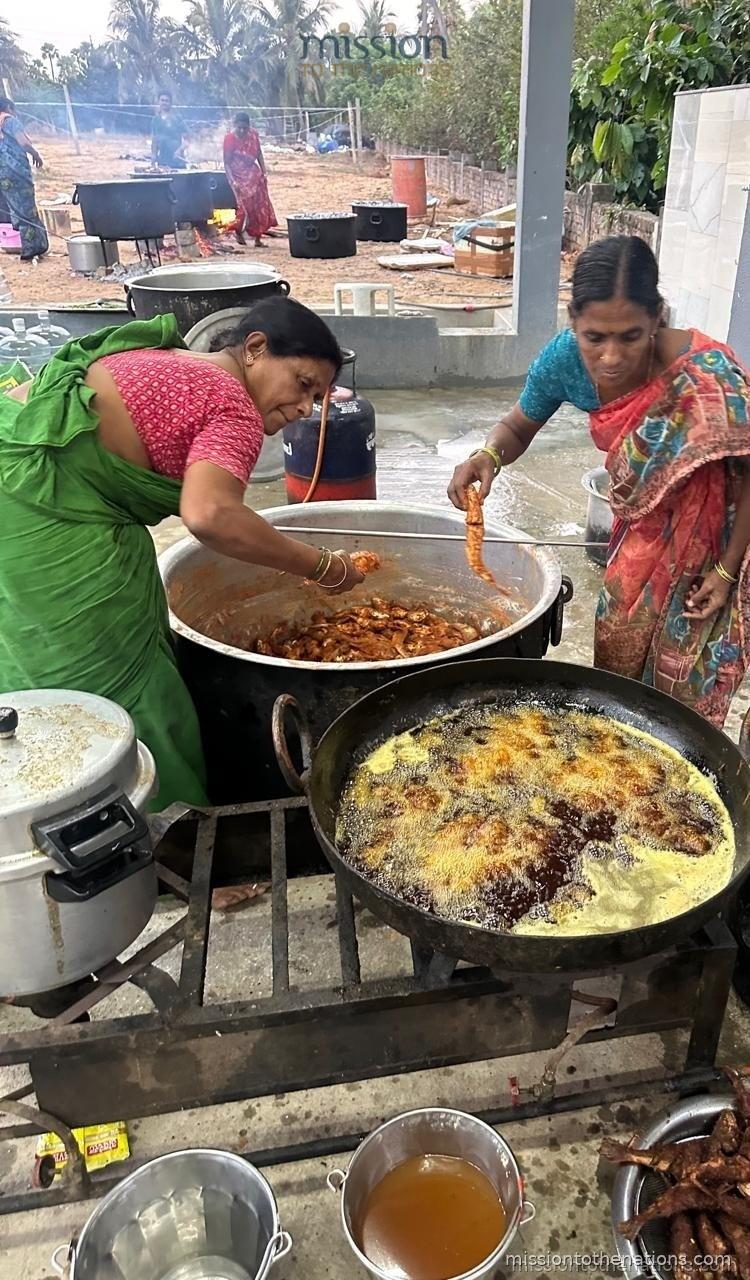
MTN's community kitchens are not run by volunteers — they are managed by women who have trained for the role. Each kitchen produces hundreds of meals a day for children in residential care, street feeding stations, leprosy patients, and health camp participants.
The women who run them coordinate produce arriving from the kitchen garden, manage daily cooking cycles across multiple meal shifts, track inventory, and ensure nothing is wasted. It is a logistics role that requires planning, timing, and accountability.
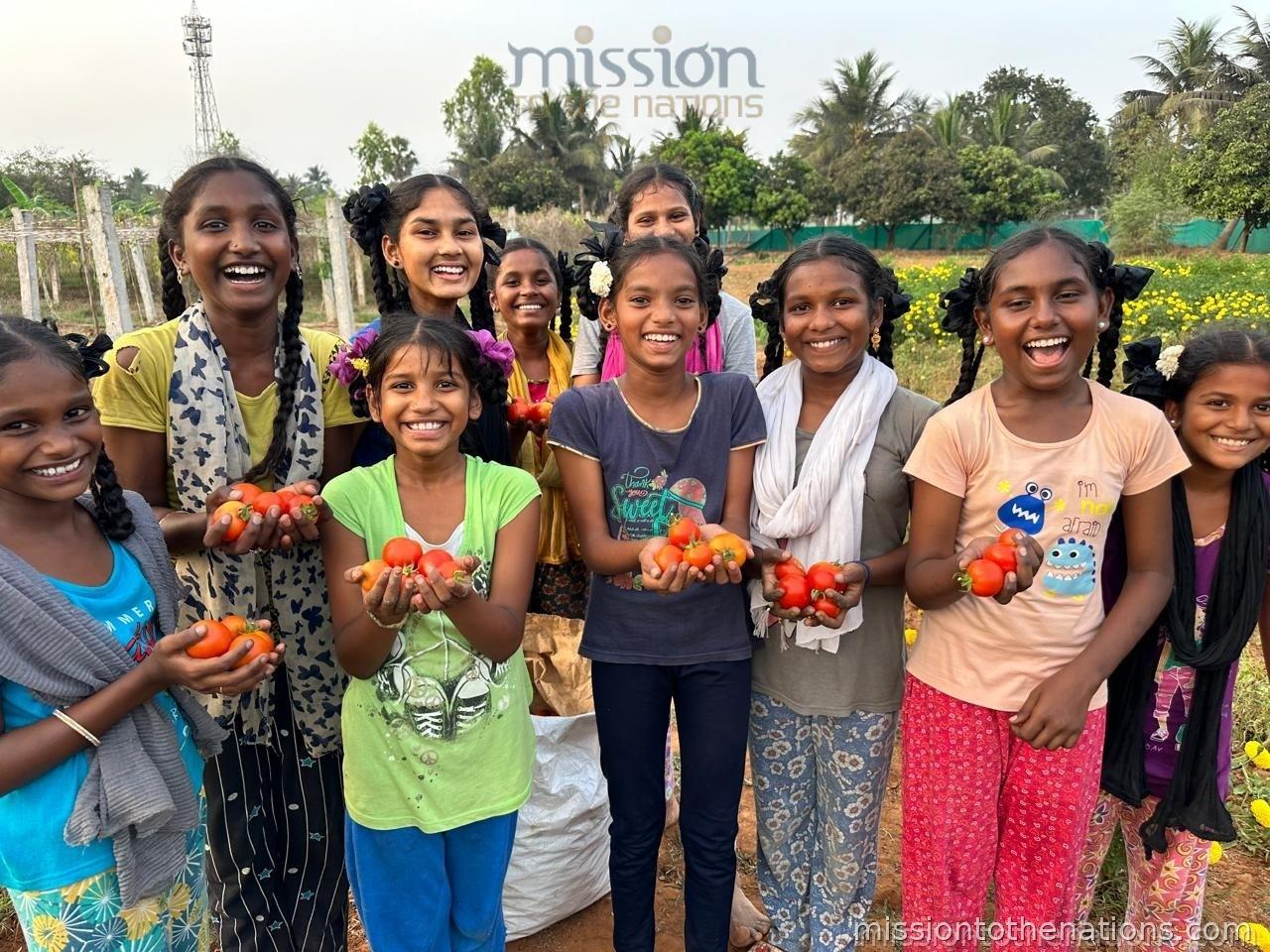
The kitchen garden grows tomatoes, leafy greens, rice, and seasonal vegetables year-round. Women and older girls in the MTN school programme manage the planting cycles — from seed to harvest — and bring the produce straight into the kitchen. The girls holding tomatoes in this photograph grew them. They know exactly where the food goes next.
Kitchen and garden management is trained, compensated, and treated as skilled work. For many women it is the entry point into the broader vocational programme — a place to start that leads somewhere.
Women's Poultry Cooperative
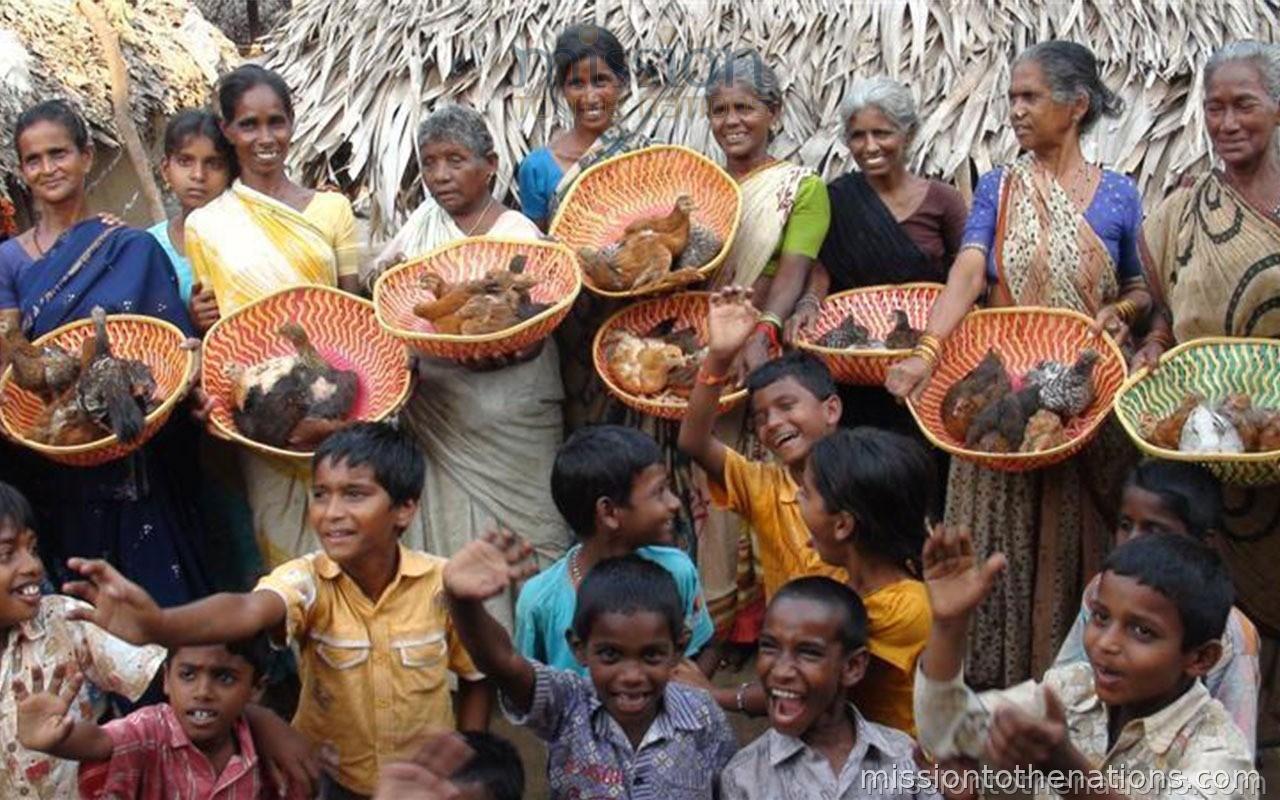
The fastest-return enterprise in MTN's livelihoods portfolio. A community flock with cooperative management gives women daily egg and meat income — first eggs in 6–8 weeks. Women earn Rs50,000+ per year. Poultry droppings boost biogas output and fertilise the fish pond, linking into the circular nutrition system.
Community Cattle Dairy Cooperative
Women manage a community cattle herd, providing daily milk to the children's home and earning income from surplus sales. Cattle dung feeds the biogas kitchen and vermicompost enterprise. Ruth earns ₹6,500 a month. Her daughter finished school last year.
Six Pathways to Economic Independence
Sewing & Tailoring Cooperative
9-month training in sewing and tailoring, from basic seams to pattern-cutting and machine maintenance. Graduates receive a machine and startup kit. 500+ women trained per year.
Bag Stitching Programme
Cloth bag and carry-bag stitching runs as a parallel production stream. Bags are sold through local market stalls and bulk orders from local businesses — a fast-turnover income source alongside tailoring.
Pottery & Crafts Enterprise
Decorative pot-painting and handcraft classes produce market-ready goods with no recurring equipment cost. Women earn from individual stall sales and cooperative supply contracts.
Kitchen & Garden Management
Women manage MTN's community kitchens — coordinating daily meals for hundreds from produce grown in the school garden. Kitchen management is trained, paid, and treated as skilled work.
Women's Poultry Cooperative
Daily egg and meat income from community flocks. First eggs in 6–8 weeks. Women earn Rs50,000+ per year. Poultry droppings link directly into the biogas and fish pond systems.
Community Cattle Dairy Cooperative
Women manage the community herd — providing daily milk to the children's home and earning income from surplus sales. Cattle dung fuels the biogas kitchen and feeds the vermicompost enterprise.
Girls who grew up here — and stayed to build something.
Many of the women in MTN's vocational programme did not arrive as adults. They came as children — enrolled in MTN schools, placed in residential care, or brought in through the nutrition programme as infants. They grew up inside this ecosystem.
When girls in MTN's schools reach an appropriate age, the vocational programme is offered to those for whom it is a good fit. Not mandated — offered. Some go on to further education. Some enter the sewing cooperative. Some start in the kitchen garden and move into management. Some join the poultry or cattle circle. The choice is theirs.
For girls who came through the child protection programme — rescued from exploitation, rehabilitated, educated — the vocational pathway is the last stage of a journey that begins with safe housing and ends with economic independence. Same training. Same machine. Same graduation. No separate track, no reminder of where they came from.
Subbamma, 52, had spent thirty years working other people's land — planting and harvesting for ₹150 a day when the work came, and nothing when it did not. She joined the programme because her daughter-in-law suggested it. She did not think it was for someone her age.
She now runs two income streams and has not asked anyone for money in two years. Her granddaughter's school fees are paid. She told our field worker: I thought that door had already closed for me. It had not.
Read Subbamma's full story →