Nutrition & Food Security
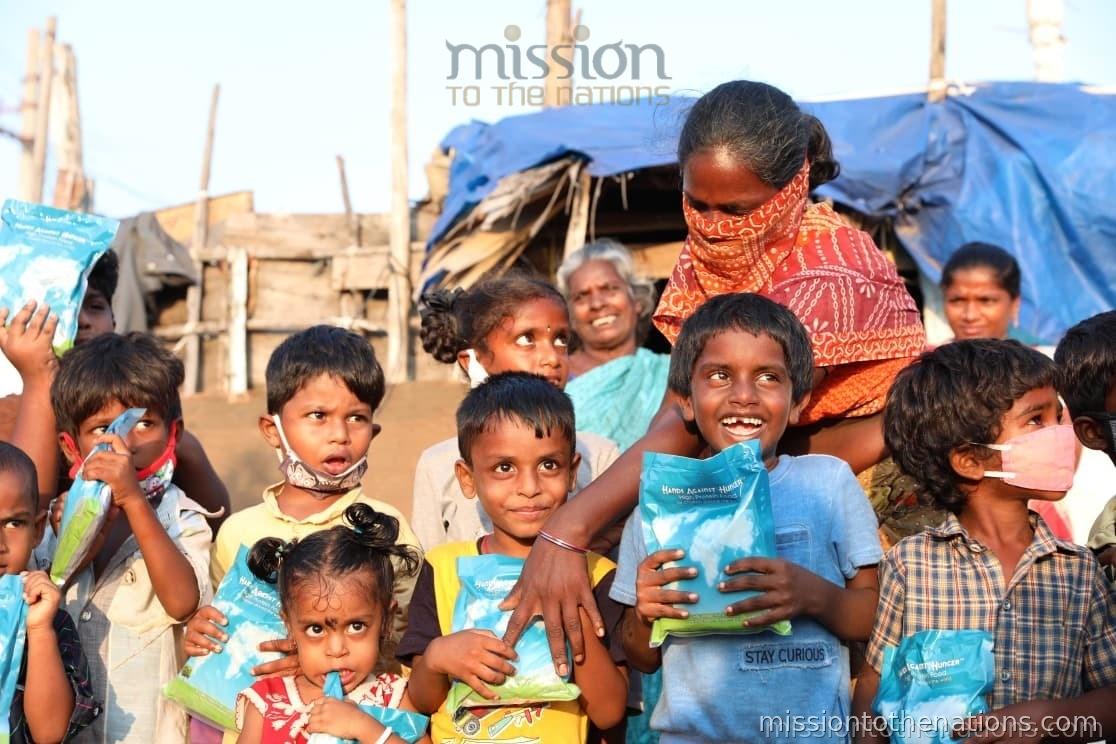
Three protein sources on one plate — eggs, fish, and milk. All produced on-site. All self-sustaining. Feeding 8,000+ children every day across Asia.
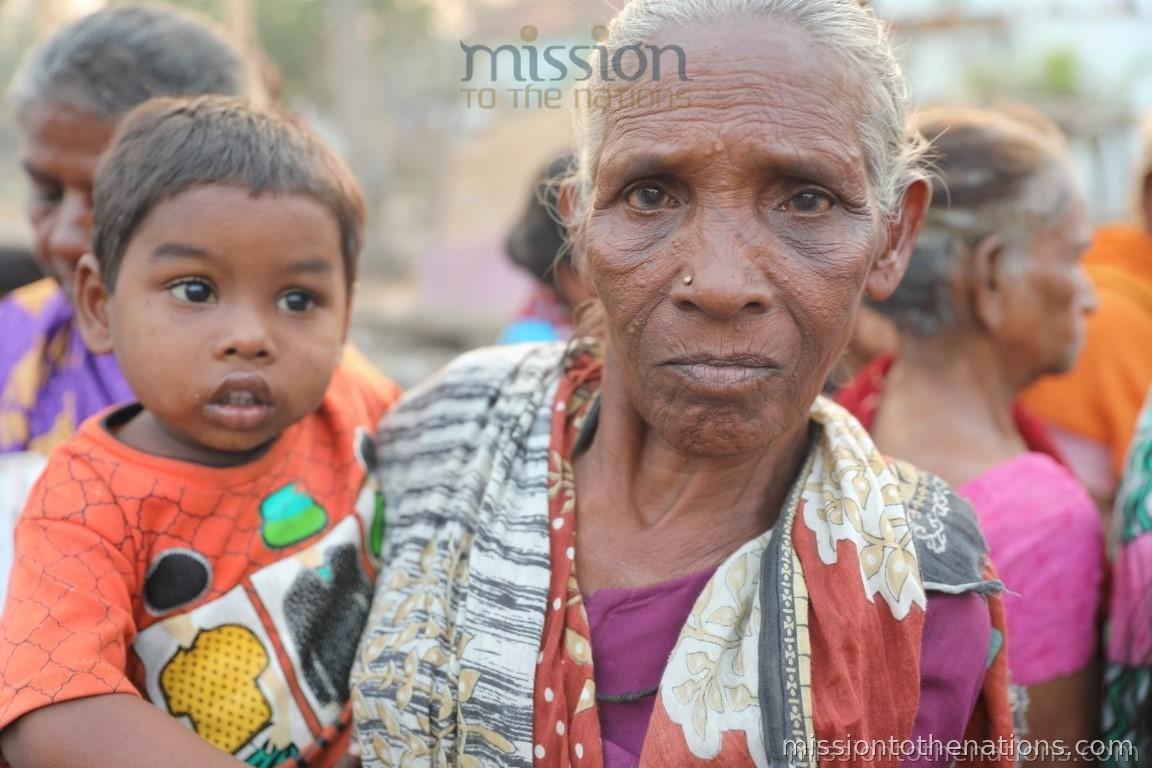
Savitri lost her son and daughter-in-law within three weeks of each other — COVID, April 2021. She was left with Ravi, who was eighteen months old, and one meal a day between them. She was eating less so he could eat more. It was not enough for either of them.
MTN's field worker found them through the street feeding station. Ravi was malnourished and not yet walking. Within two months of consistent daily meals, he was standing. Within four he was walking. He is five now. He runs to school every morning while Savitri watches from the door. She told our field worker: I did not know who would feed us the next day. Now Ravi eats before I do.
$3 a week. The difference between a child who walks and a child who runs.
Read Savitri and Ravi's full story →Self-Sustaining Nutrition at Scale
Chronic malnutrition is one of the most persistent barriers to a child's development. Children who go hungry miss school, fall behind cognitively, and are more vulnerable to illness and exploitation. Addressing nutrition is not an add-on — it is foundational to every other outcome we pursue.
MTN's nutrition programme is built around on-site production rather than dependence on donated food supply chains. Communities manage fish ponds, cattle herds, and poultry flocks. The produce feeds children first. Surplus funds the next growing cycle or generates income for participating households.
The result is a programme that feeds thousands of children daily while simultaneously building community economic capacity — and costs a fraction of traditional food aid models.
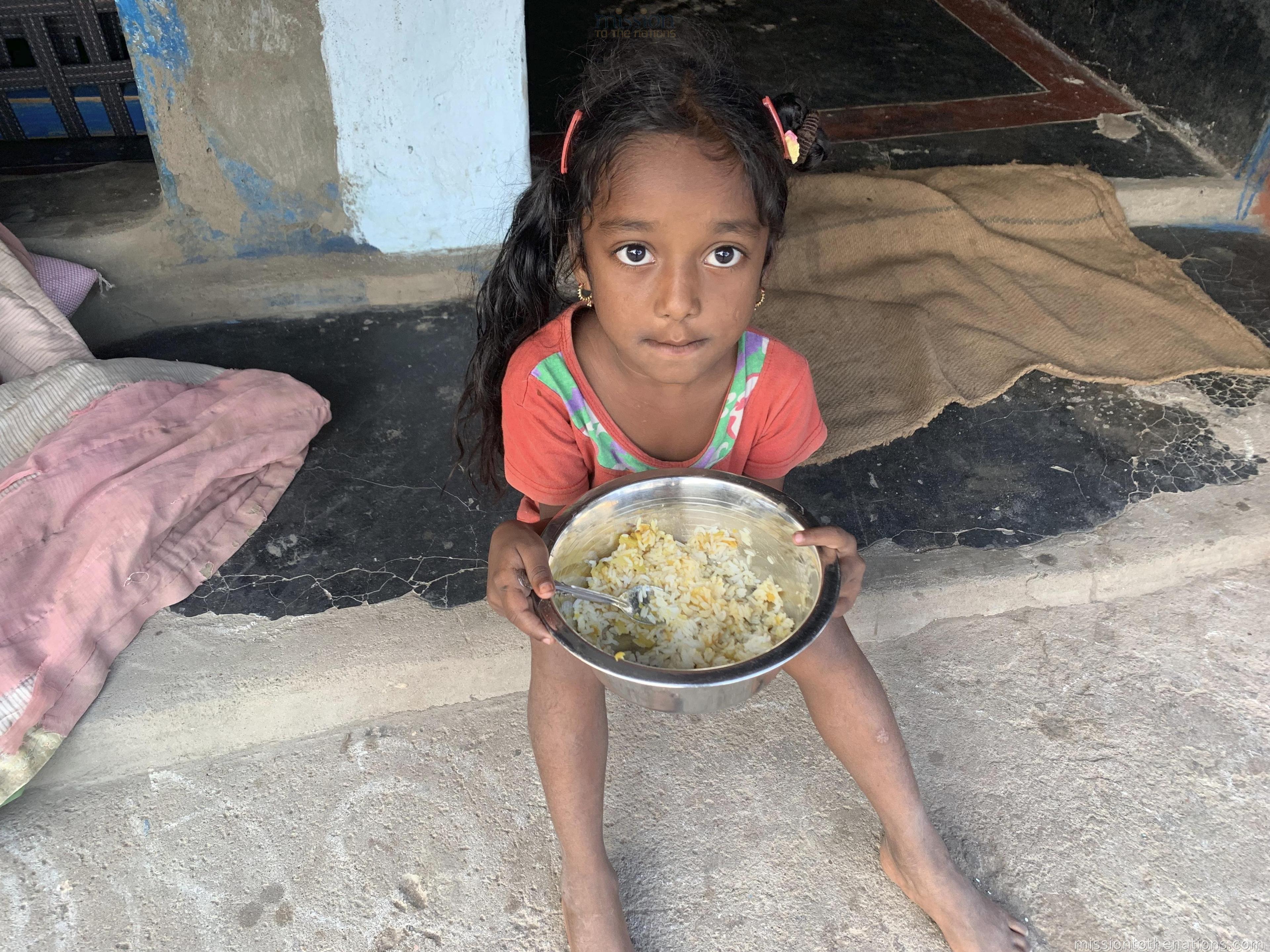
She is not asking for anything. She is just eating — quietly, carefully, the way children eat when they are not sure if there will be more.
Read the full story →The children at our street feeding stations are not enrolled in anything. They have no placement, no address, no adult who knows where they are in the mornings. They come because someone told them there is food at a certain time, at a certain corner.
We do not ask them to register. We do not make attendance a condition of eating. You come when you can. The food is here. Many of the children now in MTN's residential programme were first found at a feeding station. The meal is the first door. It is always the first door.
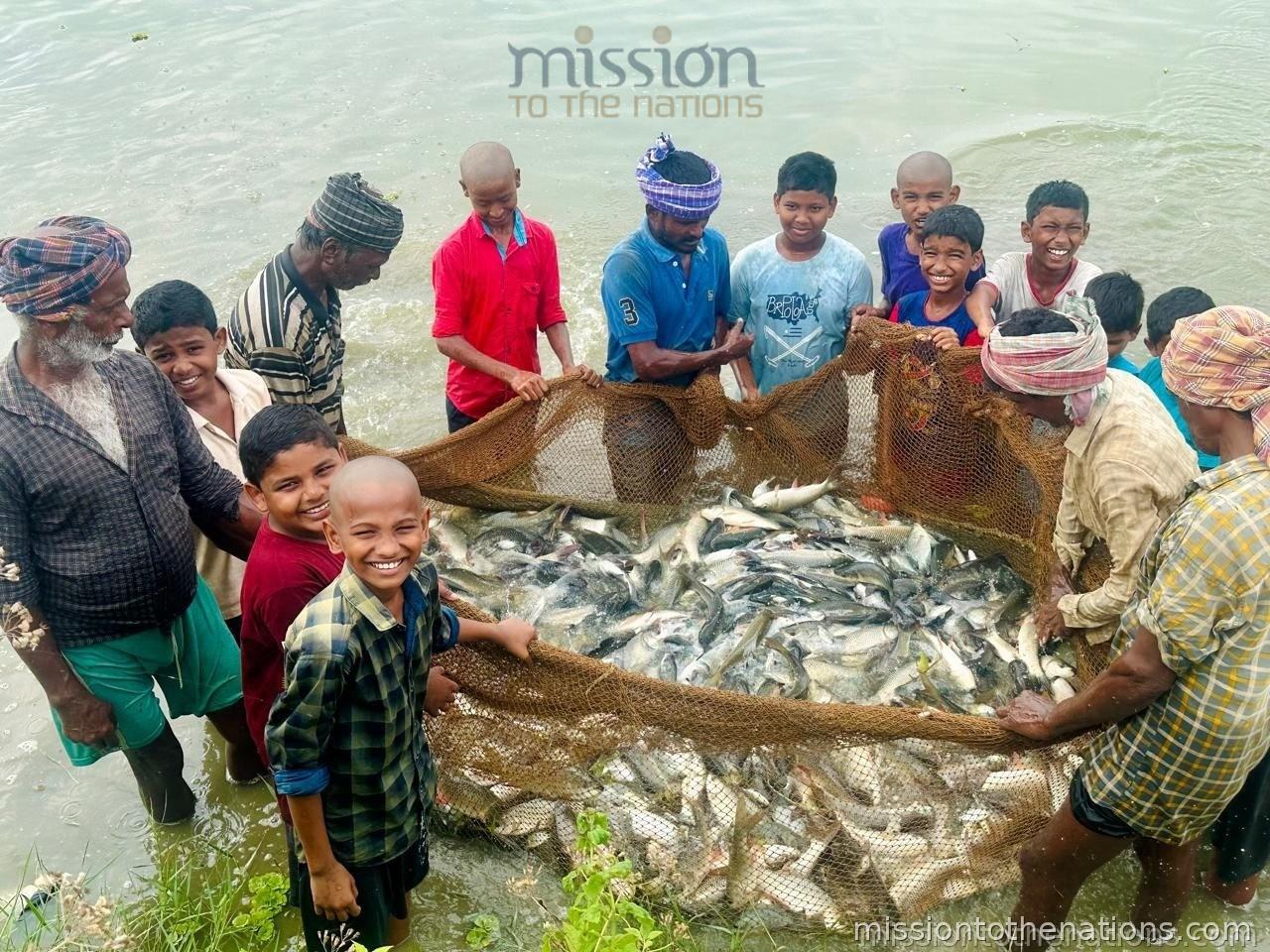
A Pond That Feeds Itself
Each fish pond is managed by the community it serves. At harvest, the fish goes to feeding school children first. Any surplus is sold at market — and the proceeds fund the next growing cycle without any further external input.
After two or three seasons, each pond becomes fully self-financing. MTN's role shifts from funder to technical advisor, freeing capital to start the next pond in a new community.
Read how a community food system changed one village →Daily Milk for Children in Care
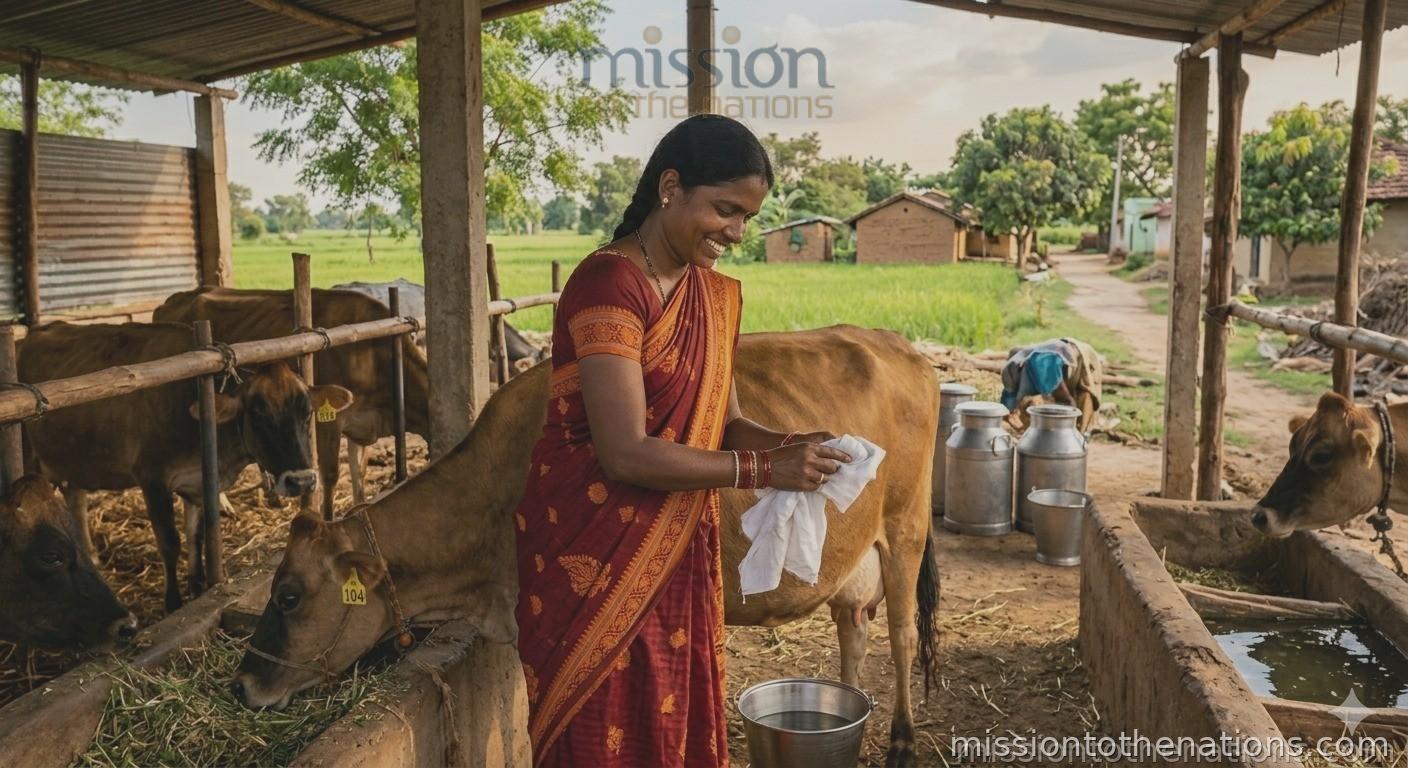
A community cattle herd managed by programme participants provides a daily milk quota directly to MTN's children's residential homes — ensuring consistent protein delivery for the children who depend on it most.
Surplus milk is sold at local market rates. The income funds herd maintenance, veterinary care, and feed — keeping the circle self-sustaining without recurring external input. Women like Ruth, who manage the herd, earn a stable income and become the backbone of the programme's food security.
MTN Kitchens — Where It All Comes Together
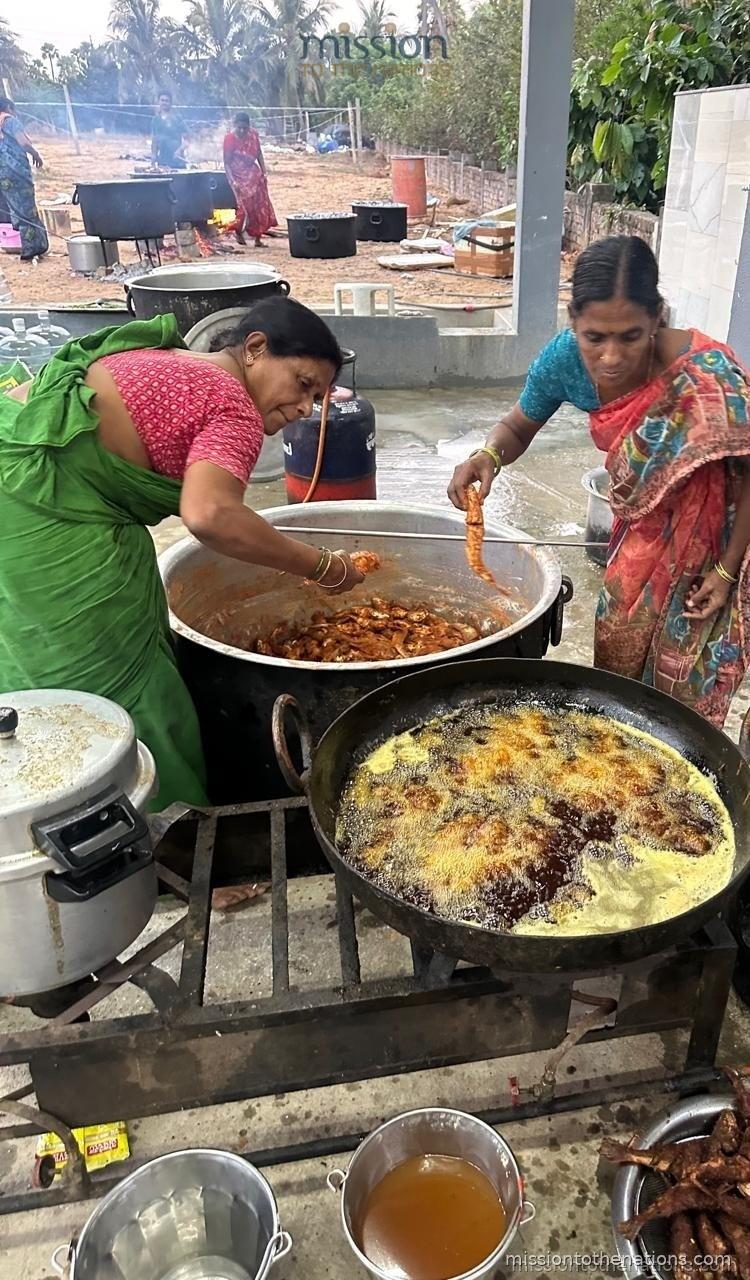
Every day, our kitchen turns the outputs of three circular systems into hundreds of meals for those who need them most.
MTN Kitchens is not just a kitchen facility — it is the visible proof that our circular economy works. Every morning, eggs from the poultry cooperative arrive for children's breakfast. At lunch, fish from the fish pond is prepared using vegetables grown in the school garden. In the evening, the biogas flame — powered by cattle and poultry waste — cooks the final meal. Before the kitchens close, food scraps are collected and returned to the chicken coop. Nothing is wasted. Everything feeds the next cycle.
Savitri ate one meal a day so her grandson could eat two. MTN's feeding station found them. Ravi is five now and runs to school every morning.
Read Savitri and Ravi's story →MTN Kitchens
A one-time capital gift covers kitchen construction, commercial equipment, solar-powered refrigeration, and full biogas connection. After setup, the kitchen runs entirely on income from our circular food systems — no recurring donation needed.
Enquire About This Gift →Feed a child for a week — $3
$3 covers a full week of meals for one child. $25 is two months. $150 is a full year. Behind each of those numbers is a child who ate today because someone decided $3 was worth giving. Savitri decided to eat less so Ravi could eat more. You do not have to make that choice.
Feed a child this week →Start a Poultry Circle — $500
$500 funds a community poultry circle. First eggs arrive within 6–8 weeks. Surplus eggs generate daily income for participating women. A single circle can sustain itself indefinitely after the initial investment.
Start a Poultry Circle →