Child Welfare & Education
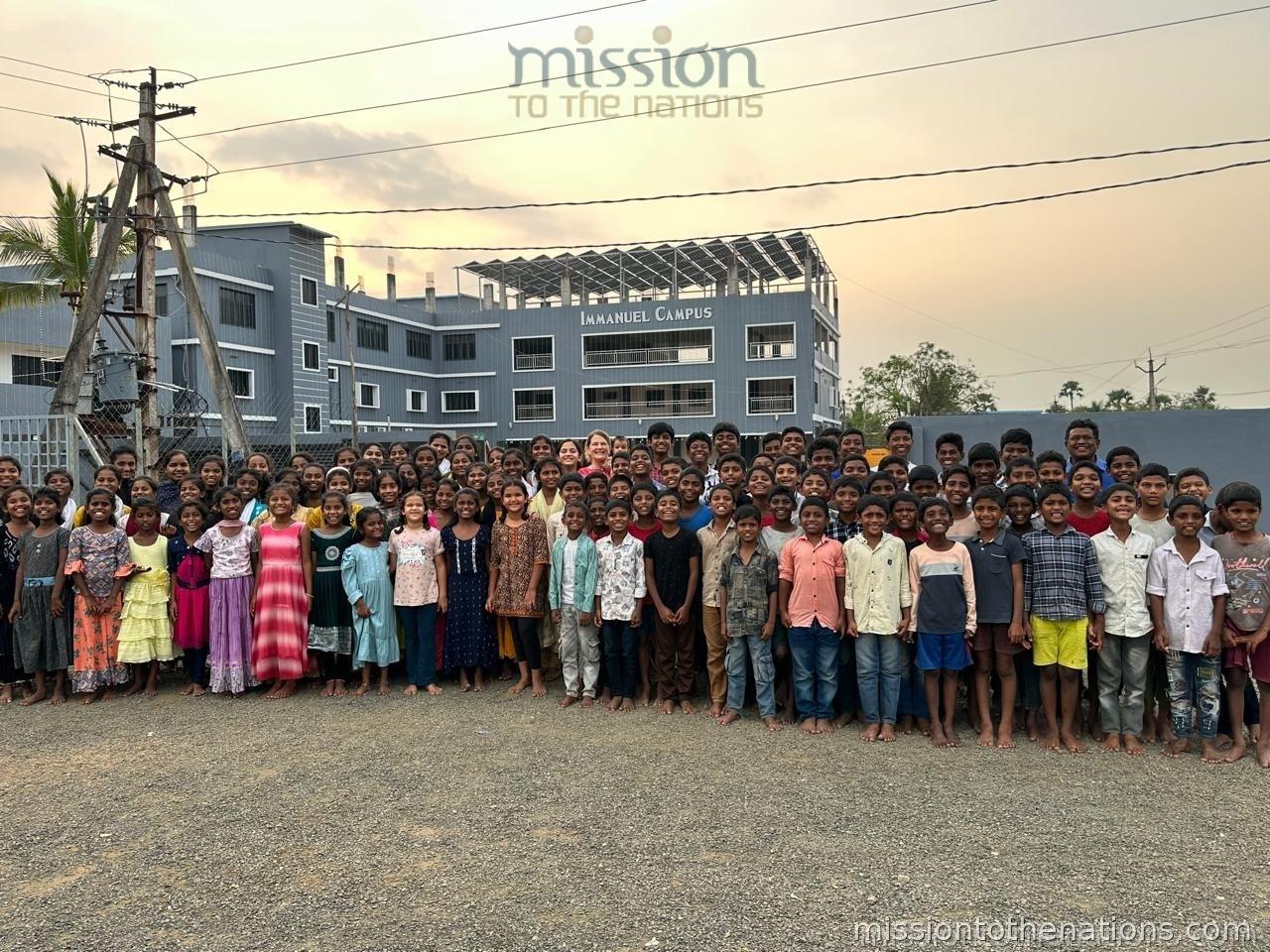
Residential care, free schooling, nutrition, healthcare — and a home that does not have a closing time. For 8,000+ children across Asia, this is where their story changes.
A Home. A School. A Childhood.
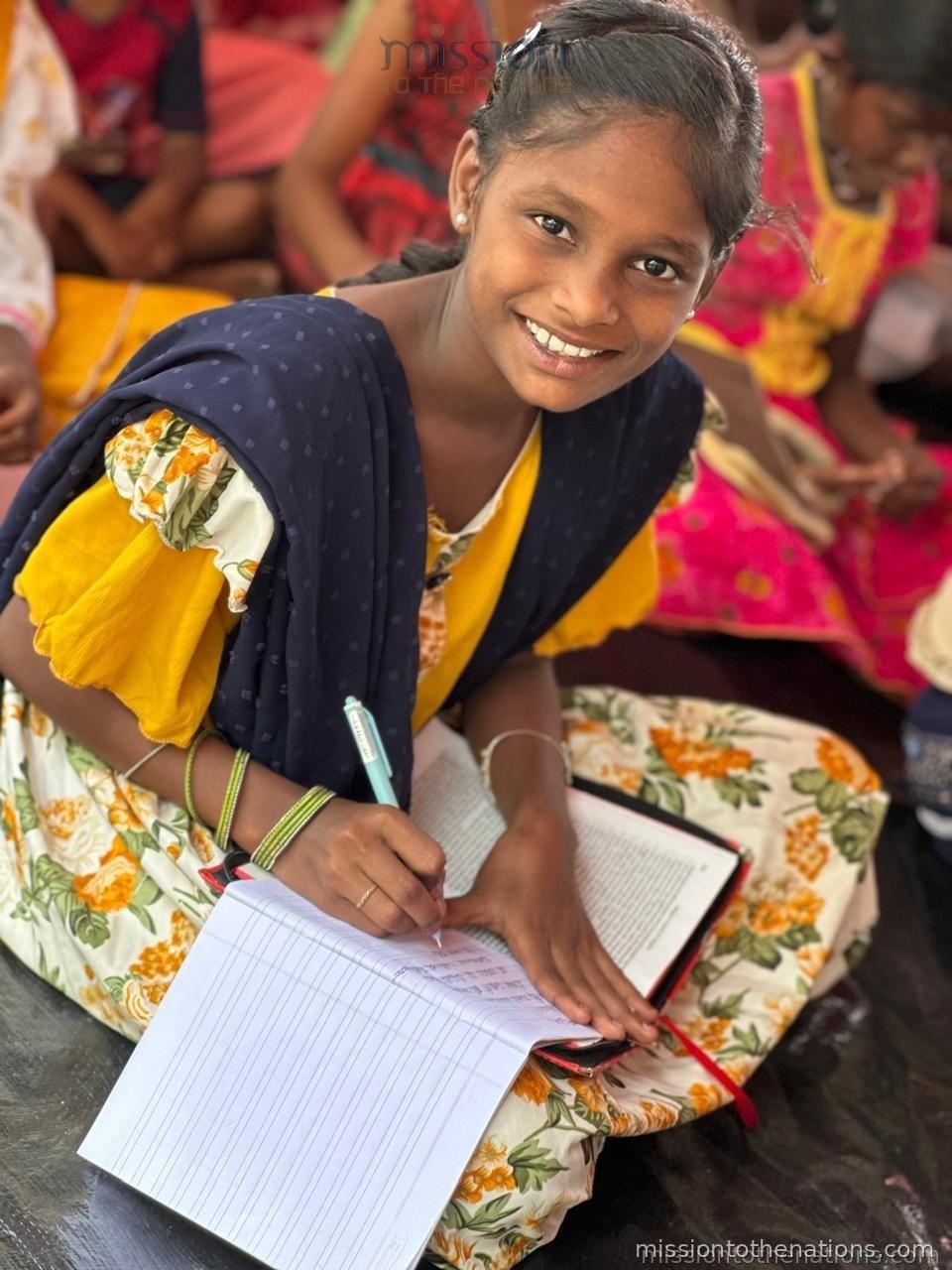
Priya arrived at six years old. Her father had died of tuberculosis. Her mother, a daily-wage agricultural worker, had fallen too ill to care for three children. Priya had stopped speaking.
She is sixteen now. She ranks in the top five of her class in biology. She is preparing for her board exams. She wants to train as a rural nurse and return to her village — because, she says, women there would not have lost their children if someone had come sooner.
Read Priya's full story →Breaking the Cycle
Tens of millions of children across Asia do not attend school. Millions more work as child labourers or live on the streets. Extreme poverty, family breakdown, statelessness, and caste or minority exclusion keep whole generations out of classrooms. For these children, education is the single intervention that changes the trajectory of a life.
MTN's children's programme began in 1990 with one school and seventeen children. Today we support thousands — providing residential care for those without stable homes, and full educational support for every enrolled child.
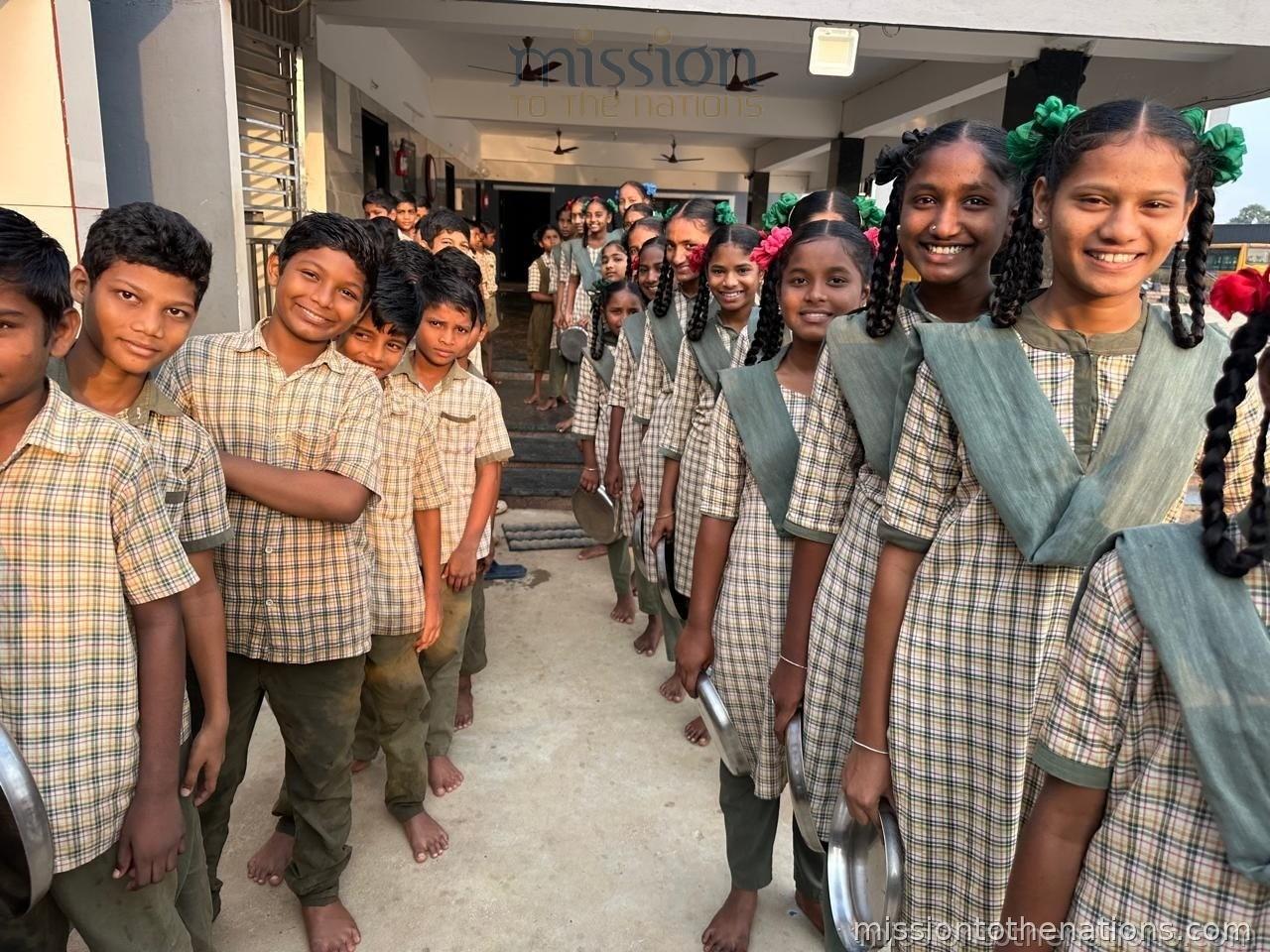
All education in our programme is completely free. Children receive meals, healthcare, clothing, and the attention of trained, caring staff. We accept children from homeless families, low-income families, and children who have experienced abuse — without discrimination based on caste, creed, or religion.
What Children Receive
Sponsor a Child — $100/month
For less than $4 a day you become part of a child's story — their shelter, their school, their meals, their healthcare. You will receive updates as their story unfolds. Some sponsors have watched a child go from silence to a university application.
Also available: Annual education sponsor ($1,000/yr) · Sponsor a teacher ($3,500/yr)
Sponsor a Child →Same Homes. Same Classrooms. Same Care.
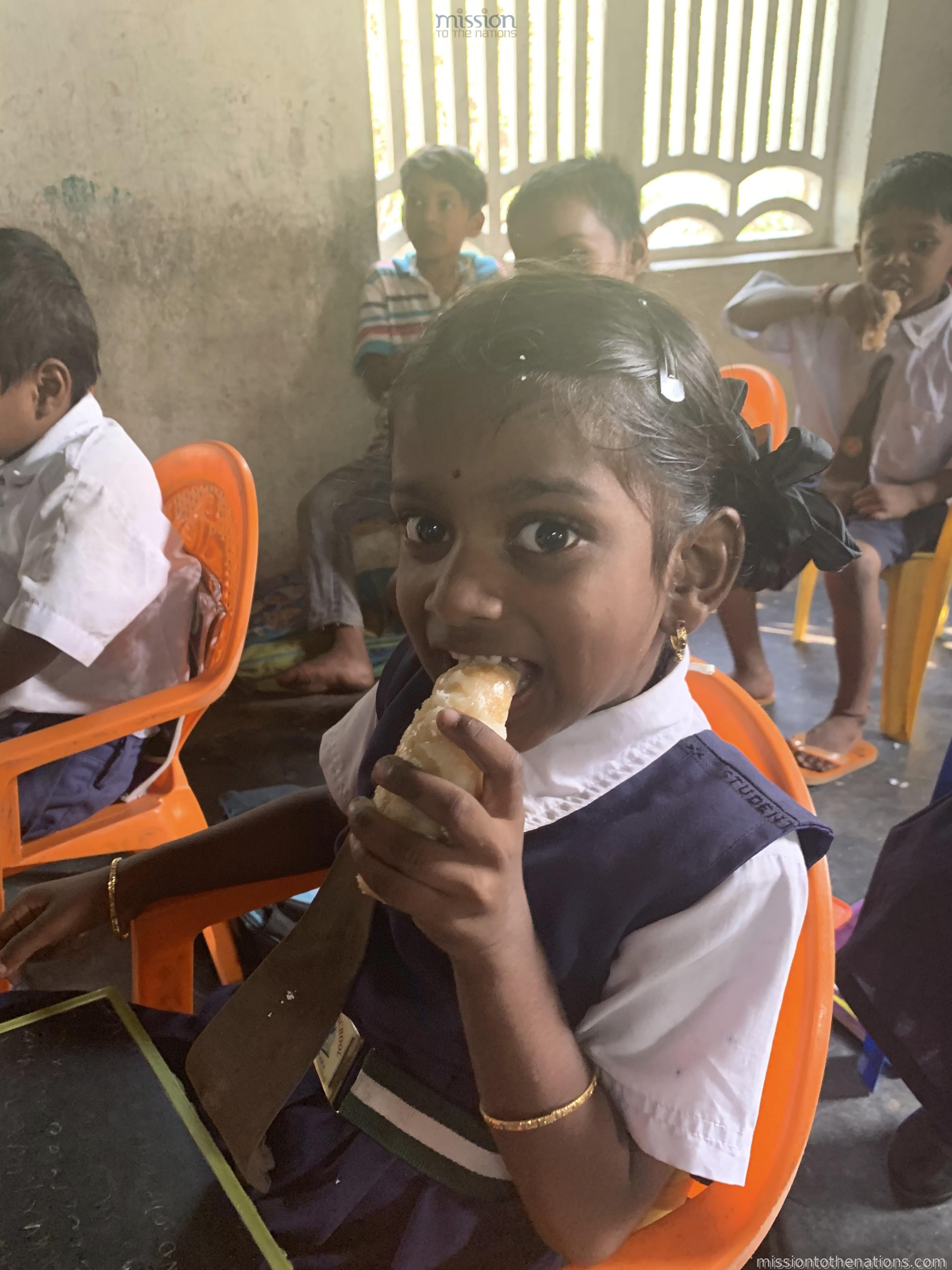
Amala arrived at four years old. She held her cloth bag with both hands the whole time — inside it, a photograph of her parents and a half-eaten biscuit she had been saving. Her mother had died the year before. Her father, a truck driver on the coastal highway, had died three months after. She was malnourished. She was HIV-positive.
She started treatment the month she arrived. She started school the month after. She is seven now — going to school, sitting next to her friend, doing her homework every evening. She just needs her medication to not run out.
Read Amala's full story →Some children arrive in our care HIV-positive — born with the virus their parents carried, often without knowing it. Many are here because they lost both parents to AIDS-related illness. They come with a diagnosis that most of the world treats as a reason to look away. We treat it as a reason to look closer.
These children live in the same residential homes as every other child in our programme. Same classrooms. Same meals. Same sports. They are not a category. They are children. The only difference in their day is a small cup of medicine in the morning.
Antiretroviral treatment (ART) is provided through MTN's Foundation Hospital. With consistent treatment, HIV-positive children live full, healthy lives. Our medical team monitors each child's CD4 count and — when the time is right — supports age-appropriate disclosure so each child can understand their own health with dignity, not shame.
MTN's HIV prevention outreach programme works to interrupt the transmission chain that brings children to this situation. Read about prevention →
“She does not ask for much. She asks to go to school, to eat with the other children, to be treated the same. We make sure she is.”— Residential care staff member
Before Anything Else — A Meal.
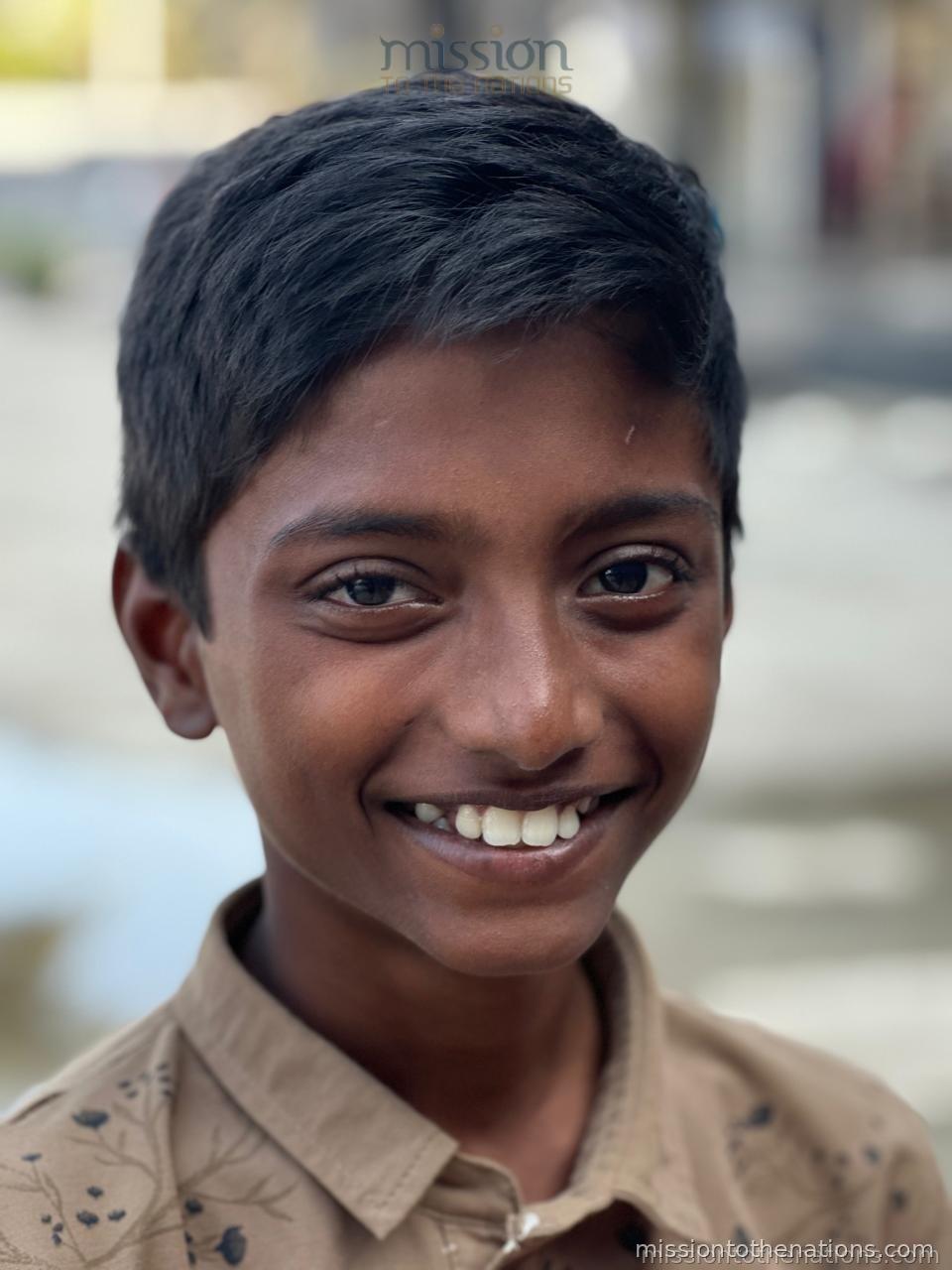
He was not enrolled in anything. He had no placement, no address, no adult who knew where he was in the mornings. He came to the feeding station because someone told him there was food at a certain time, at a certain corner.
He came back the next day. And the day after. Within two weeks our field worker had spoken with him enough times to understand his situation. Within a month he had a bed in our residential programme. The feeding station was the first door. It is always the first door.
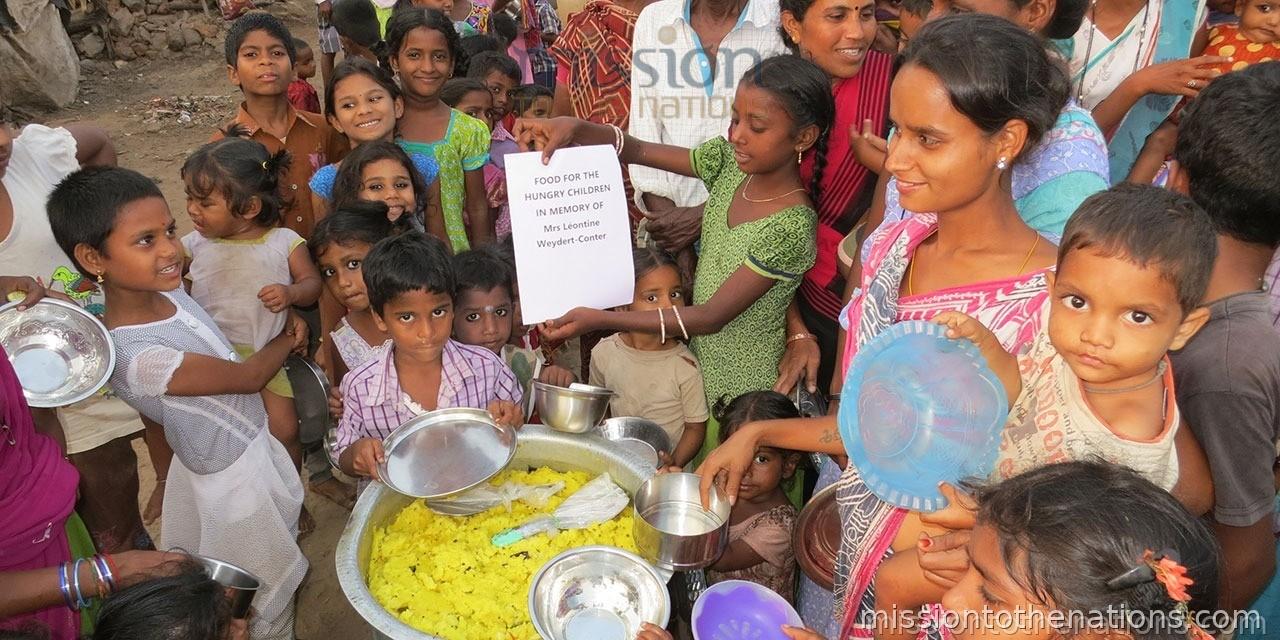
Read Daniel's full story →MTN's street feeding stations serve children who cannot access a school meal — children with no residential placement, no family structure, no fixed address. We prepare fresh Upma — rice, wheat grain, onions, peanuts, spices — daily. One pot feeds over 100 children per session.
The stations also serve pregnant women and lactating mothers who lack reliable nutrition during critical periods. No conditions. You come, you eat.
Many children who enter MTN's residential programme were first identified at a feeding station. It is not only a meal — it is the first sustained contact with someone from MTN, and for some children it is the moment the rest of their story begins.