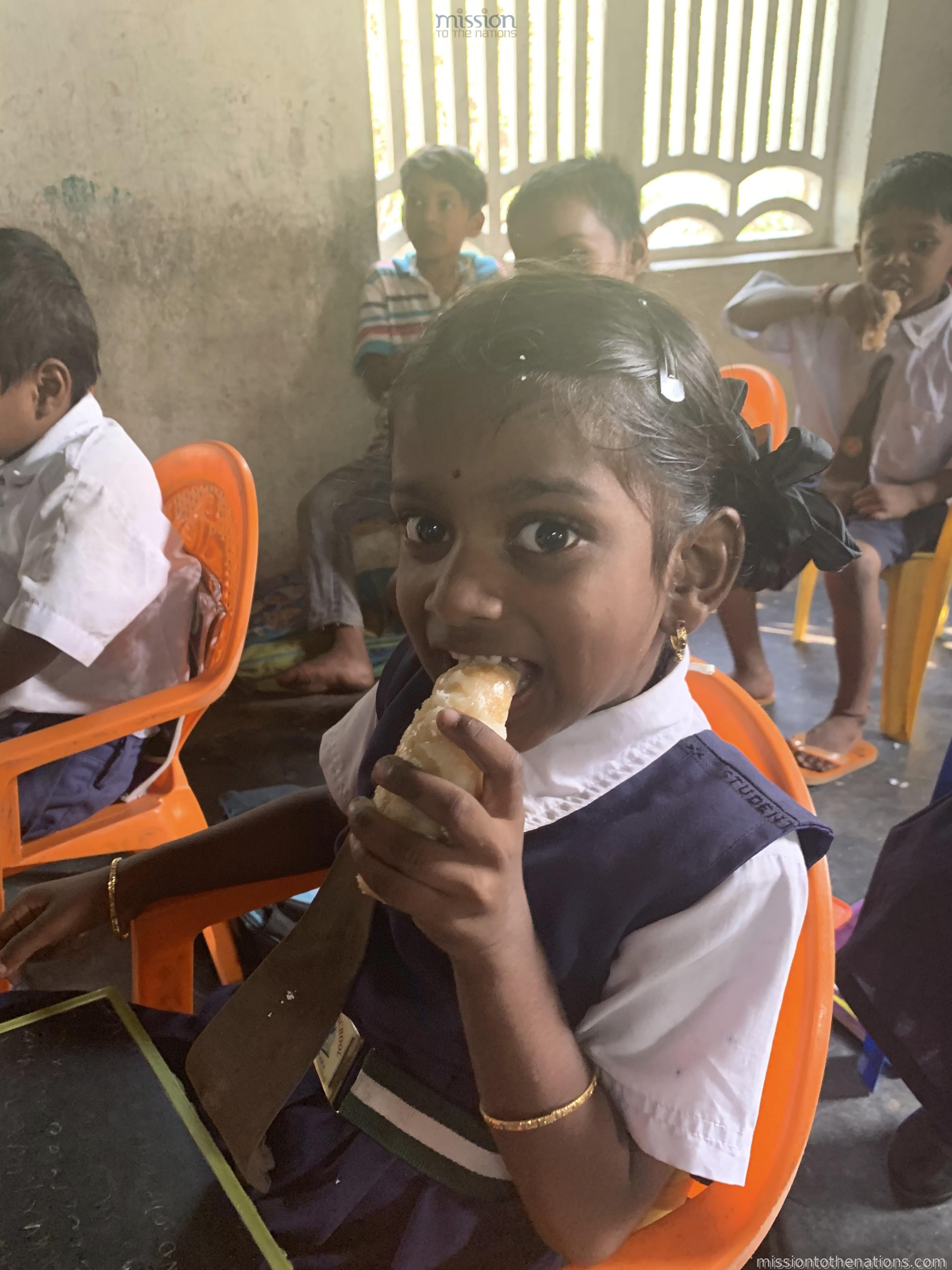
Amala lost everything before she turned four. She is seven now and going to be fine — if her medication does not run out.
Both parents gone. HIV-positive and untreated. No one left to keep her. She arrived at our door with a cloth bag and a photograph. This is what happened next.
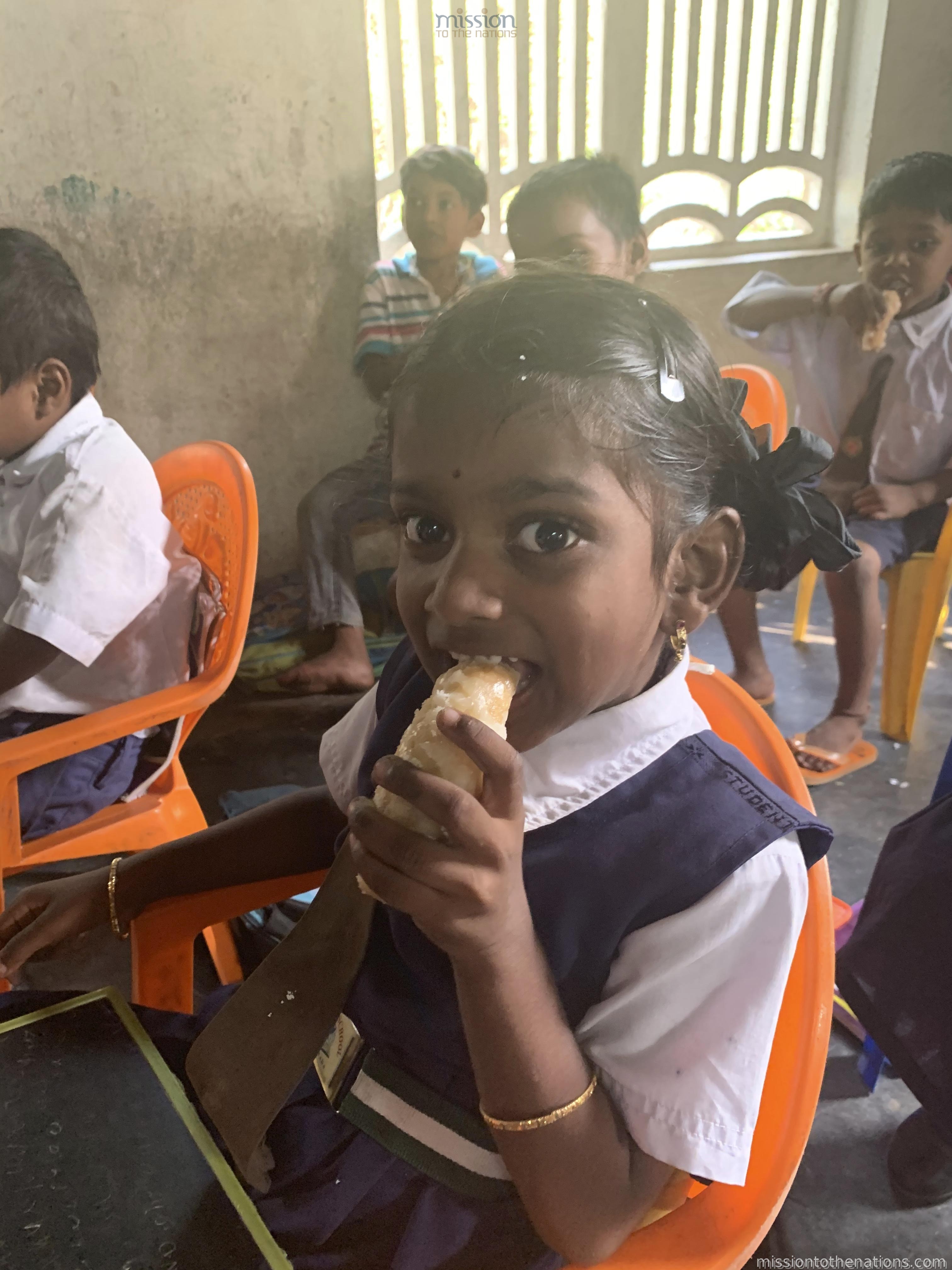
“She does not ask for much. She asks to go to school, to eat with the other children, to be treated the same. We make sure she is.”
The morning Amala arrived, she was holding a cloth bag with both hands. Inside it: a photograph of her parents. Nothing else of note. She was four years old and she had already outlasted both of them.
She did not speak much in the first weeks. She watched. She watched the other children eat, watched them go to school, watched them come back. She was trying to understand if this place was going to last. Children who have lost everything learn quickly to wait and see before they trust anything.
She trusts it now.
She is seven years old. She goes to school in the morning with the same bag every other child carries. She sits next to the same friend she has sat next to since Class 1. She does her homework. She is, by every measure that matters, a normal child.
Every morning she takes her medication. She has never known a morning without it. She does not yet fully understand why — that conversation is coming, and the staff who care for her will have it with the honesty and care she deserves. For now she simply takes it the way she ties her shoes. It is just part of the morning.
Her medication cannot run out. That is the part that depends on a donor. Everything else — the school, the meals, the bed, the staff who know her name — those exist because of thirty-five years of people deciding to help. The medication is the same decision, made again, every year. It costs $1,800.
She is going to be fine. She just needs someone to make sure the medicine is there tomorrow morning.
- •Mother died of AIDS-related illness when Amala was three years old
- •Father, a long-distance truck driver on the coastal highway, died three months later — the same disease, the same silence
- •A relative took her in but could not keep her — too poor, too sick, too many children already
- •Arrived at MTN at age four: underweight, no medical records, never tested, never treated
- •Born HIV-positive — a transmission that was entirely preventable with the right care at the right time
- →Enrolled in MTN's residential programme within days of arrival
- →CD4 tested and ART started through MTN's Foundation Hospital within the month — her first treatment, ever
- →Weight recorded every week for the first six months
- →Started school at age five — same class, same teachers, same everything as every other child
- →Medication given by residential care staff at the same time every morning without exception
- →No one in her school knows her diagnosis. That is her right, and we protect it.
- ✓Weight normalised within five months — healthy growth sustained since
- ✓CD4 count stable — no serious illness since the day treatment began
- ✓Class 2, performing at grade level in mathematics and Telugu
- ✓Has a close friend she sits next to at school every single day
- ✓Staff describe her as determined, a little stubborn, and quick to laugh
- ✓She is, by every measure that matters, a normal seven-year-old child
Name has been changed to protect privacy. Statistics are reported by programme teams and reviewed at our annual audit.