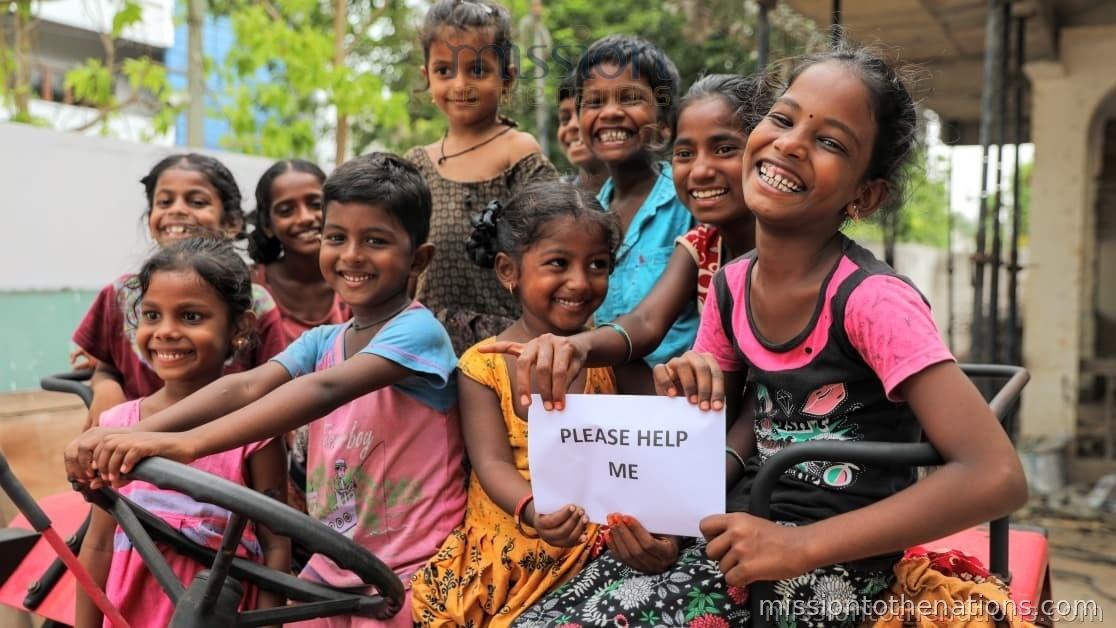
Child Protection & Rescue
A 4-stage pipeline — prevention, rescue, rehabilitation, reintegration — that turns one intervention into eight or more years of downstream impact across every programme we run.
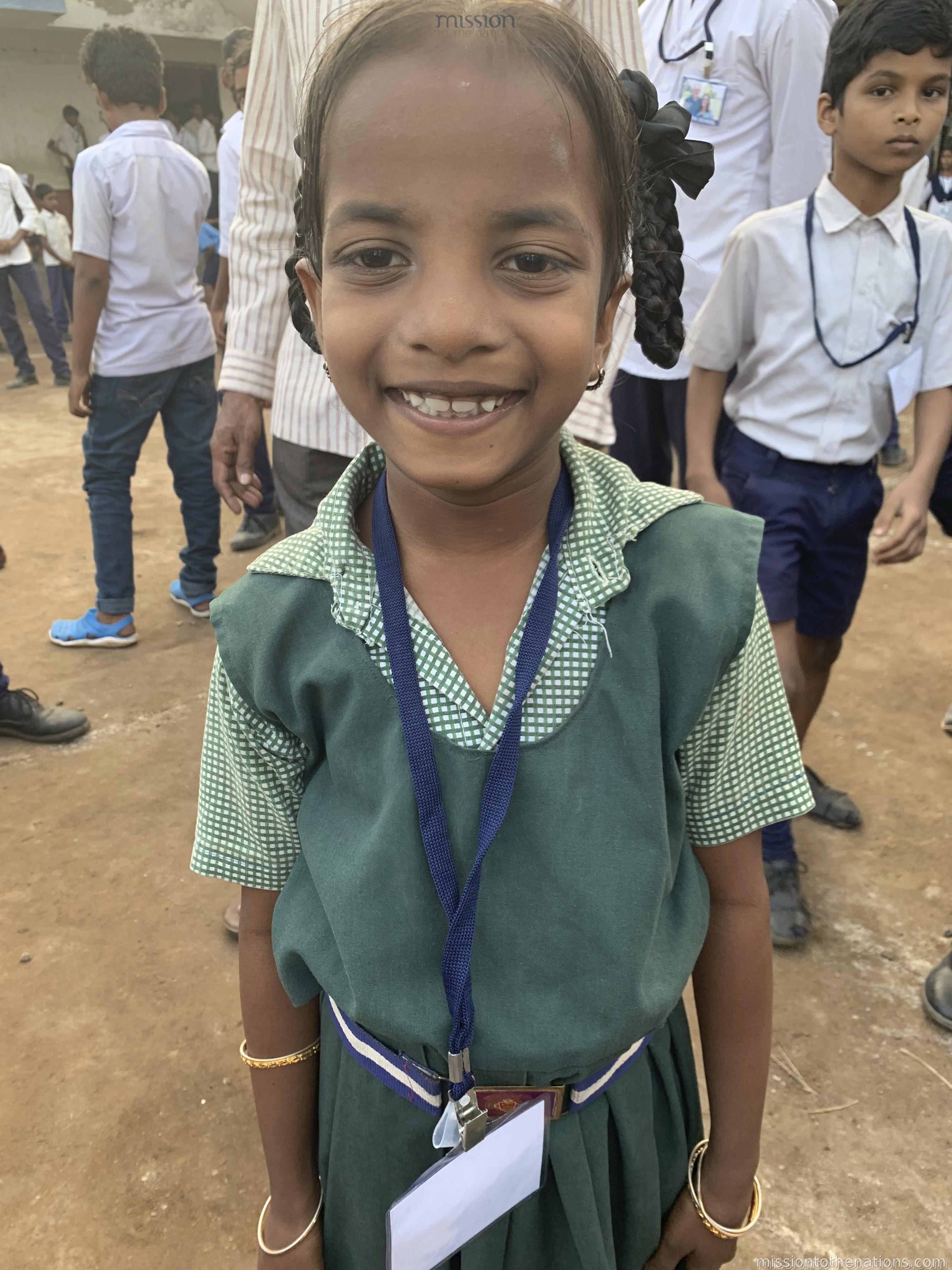
She was nine years old and 340 kilometres from home. She had been counting the days on the inside of her wrist with a small stone. When our team found her, she had counted one hundred and twelve.
Our field team brought her back on a Friday. By Friday evening she had a clean bed, a hot meal, and a medical check. She ate everything on the plate and left nothing. On Monday morning she was sitting in a classroom. She did not speak for the first week — the staff sat near her and waited. On the eighth day she asked the girl next to her if she could borrow a pencil. She is eleven now. She reads. She has started to laugh again.
One rescue activates 8+ years of MTN behind one child.
They all arrived at risk.
They all deserved better.
No single profile. No single cause. One thing they share: they arrived somewhere unsafe, and MTN's network was the thing that stood between them and what came next.
How the Pipeline Works
Child trafficking and exploitation remain acute crises across Asia. Vulnerable children — from impoverished, stateless, or displaced families — are at the highest risk. Early intervention at the village level, combined with rapid-response rescue capability, is the most effective model for lasting protection.
MTN's child protection programme operates a four-stage pipeline designed to close every gap between a child at risk and a child restored to safe, productive community life.
Each stage is distinct but connected. A child who enters at Stage 1 (prevention) never needs Stage 2. A child rescued at Stage 2 is immediately supported through Stages 3 and 4 — and simultaneously enters MTN's residential homes, schools, nutrition programme, healthcare clinics, and vocational training. One rescue activates the full network.
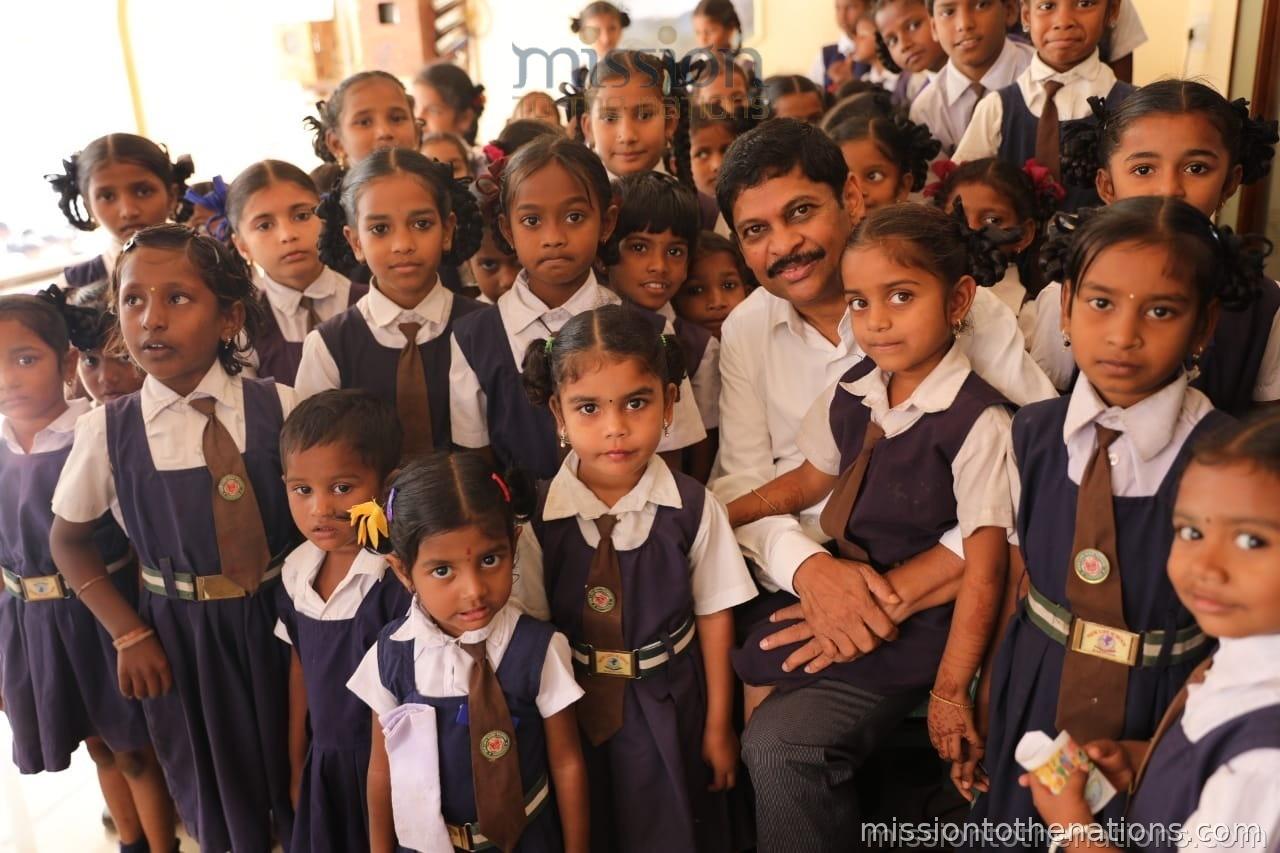
Where rescued children go
A child who enters this programme doesn't enter a single service — she enters the whole network. See how MTN's residential homes, schools, and healthcare work together.
The residential programme →One rescue.
Eight years of MTN.
A child rescued through this programme does not enter a single service. She enters the whole network. Residential home on Day 1. School on Day 3. Three meals a day from MTN's food systems. Healthcare at our hospital. Trauma support from trained staff. And — when the time comes — vocational training and a pathway to independent life.
The rescue is one moment. What follows is eight or more years of every programme we run, working together for one child. Your gift funds the moment and everything after it.
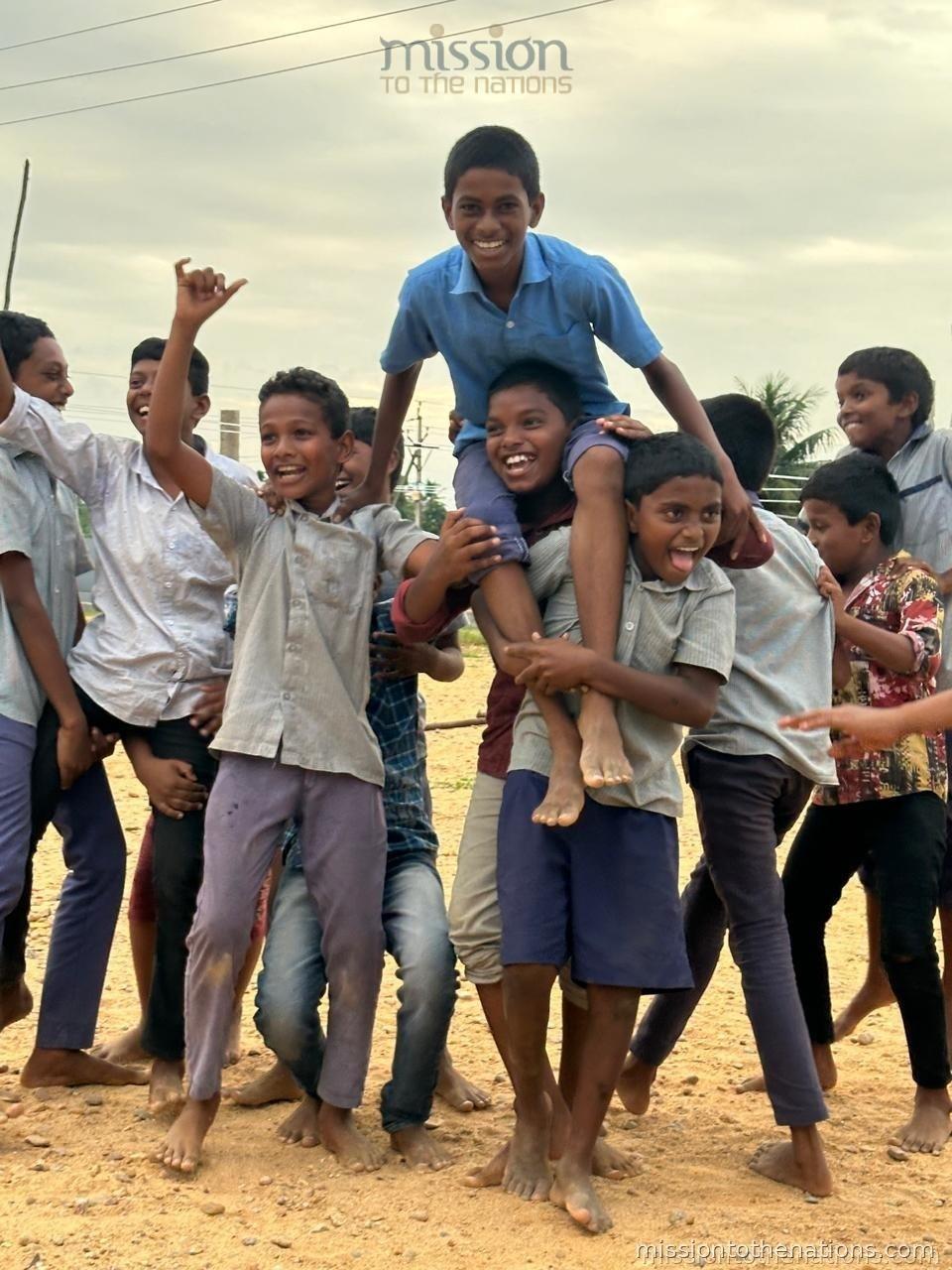
“Going down into the quarry every morning — you count the steps. Twelve steps down. You think: twelve steps up tonight. One day our field supervisor said: today you don't go down. Today you go home.”
Four boys. Bonded to an illegal stone quarry through an advance their families could never repay. One step at a time — down each morning, up each evening — until MTN's team pulled them out.
Read their full story →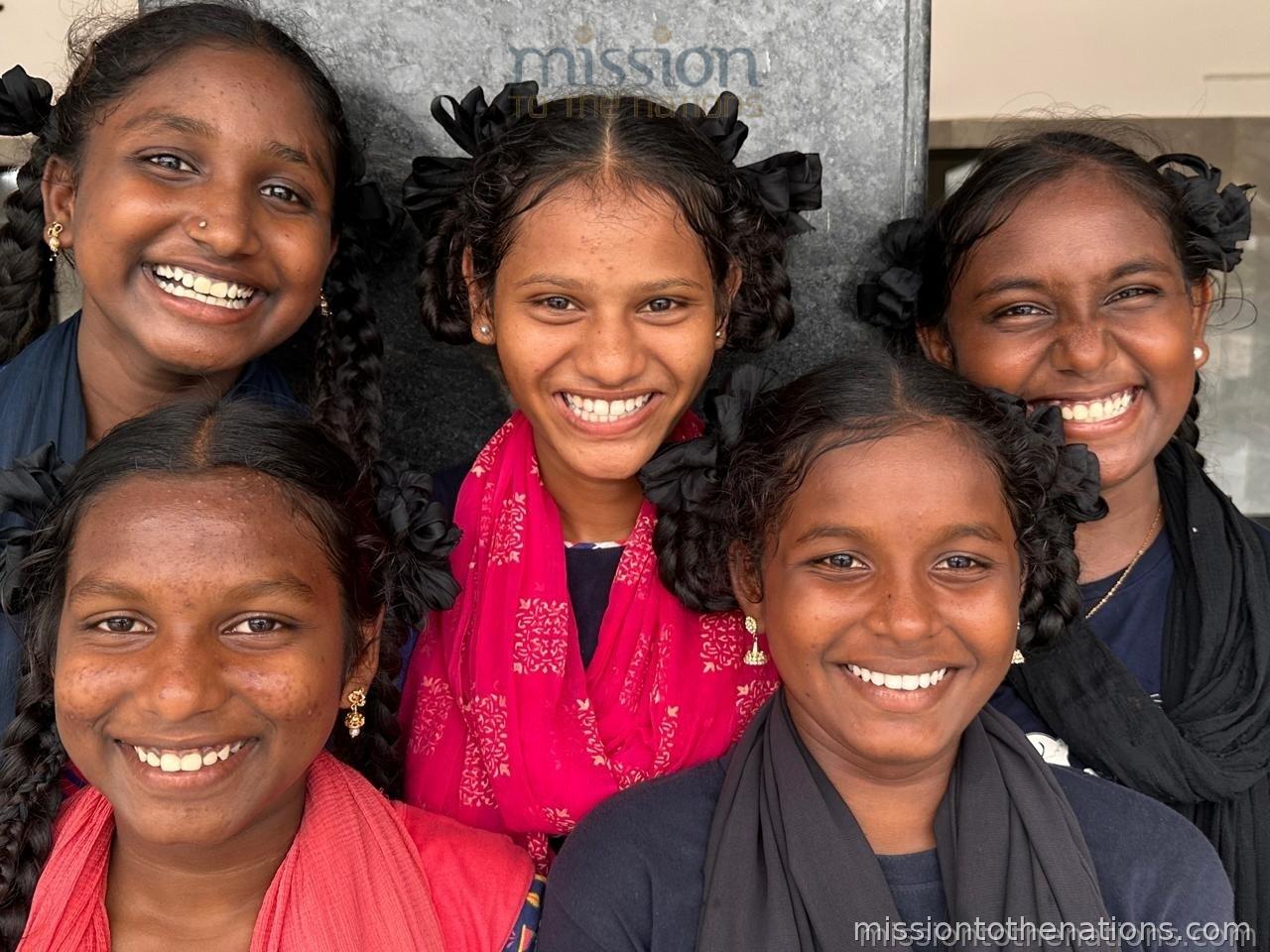
“Some nights we could not sleep. We would sit together and say — one more day. Just one more day. Someone will come. And then morning would come. And we would say it again.”
Five girls. Five villages. Trafficked to a garment unit in a city none of them could name. They held onto each other and onto one daily act of faith — one more day. MTN's rescue team found them on day 91.
Read their full story →The prevention meeting happens in a village hall. Twenty parents, a school teacher, two panchayat leaders. Our field worker describes what trafficking looks like in practice — the agent who arrives with a domestic job offer in a city home, the family that needs the income, the child who does not come back.
Some people in the room have already sent a child or a sibling. Some are considering it. The conversation that happens in that meeting — the questions, the fear, the recognition — is the intervention. A child who is never taken does not need to be rescued. Prevention is the most important stage. It is also the least visible.
MTN's field workers hold these meetings across dozens of villages. They train community elders, social workers, and local child protection committees to watch for the signs — the unfamiliar agent, the advance payment, the family that can't say no. They build a network of people who know what to look for and who to call. Most of what they prevent never appears in any statistic. That is the point.
Every meeting we hold is a rescue that never needed to happen.