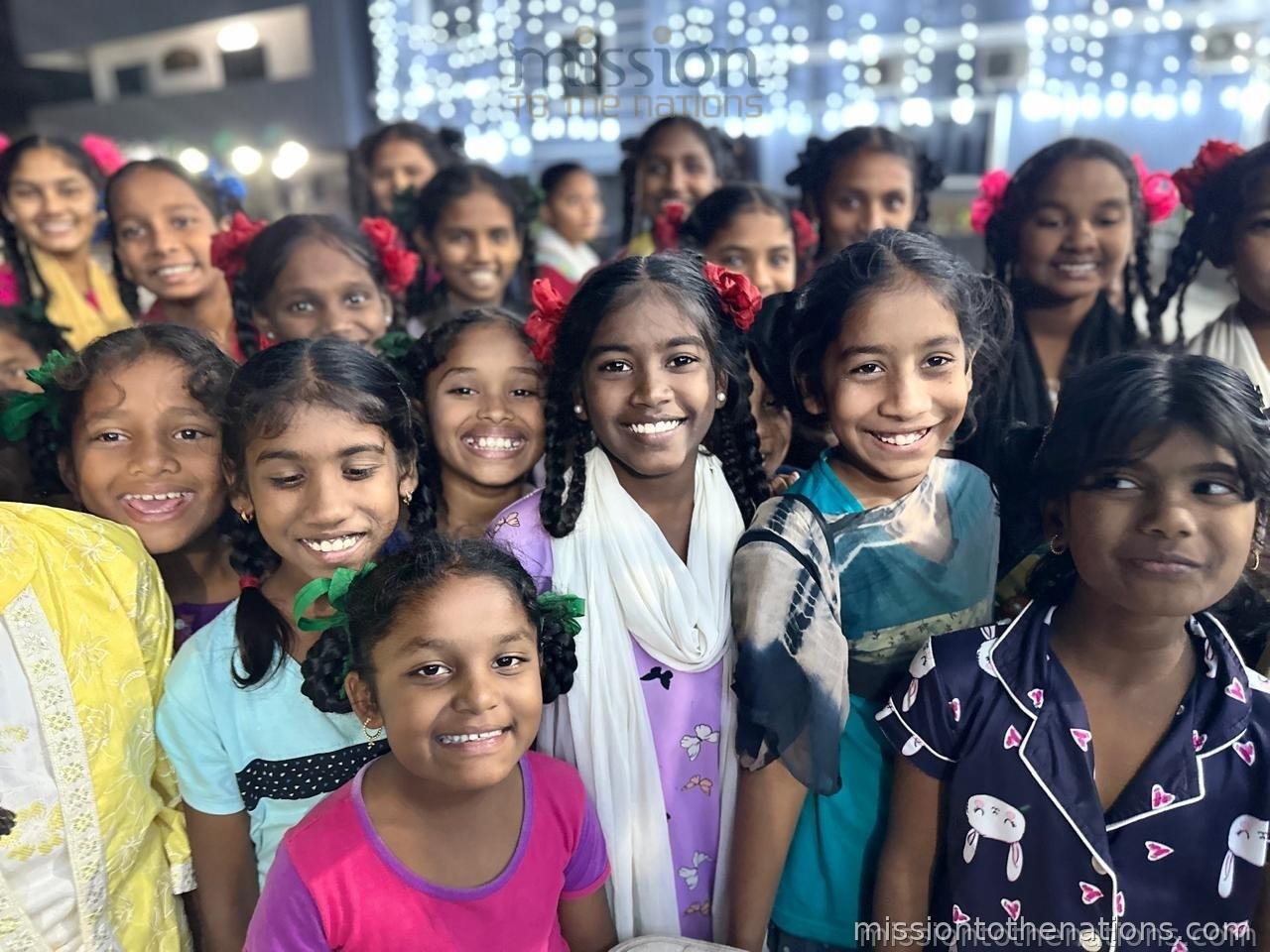
Girls' Education & Sanitation
Keeping girls in school by removing the barriers that drive dropout — 100+ schools, 30,000+ girls reached. A documented, GPS-verified programme replicated across Asia wherever the need exists.
I went there expecting to see a toilet block. I came home thinking about what we almost let disappear.
A donor visited the school after funding the sanitation block. She met a fifteen-year-old girl who wants to study medicine — because her mother lost a baby and the hospital was too far. The headmistress told her: 'Before this programme, the dropout rate was 35%. Girls were disappearing every year — not because they lacked ability, but because there was no private toilet and no one to talk to. Two years after the sanitation block was built, dropout had fallen to 6%. Three girls from that first cohort are now the first in their families to enter college. A toilet block did not just keep girls in school. It changed what they believed was possible.'
35% dropout at grade 8. Now 6%. Three girls from this cohort are the first in their families to enter college.
Read the donor's account →Girls Were Staying Home
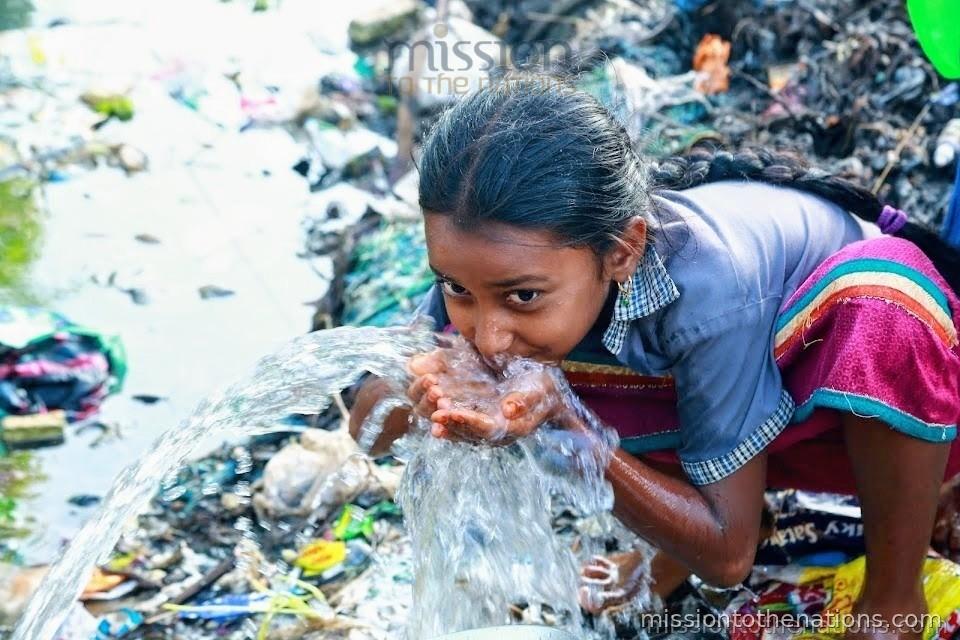
Across every community MTN serves, girls in secondary school face the same structural barrier: the absence of safe, private sanitation. Without it, attending school during menstruation is impossible for many girls, and over time, repeated absence leads to permanent dropout.
MTN has seen this pattern in school after school across Asia. Girls are motivated — surveys consistently show strong aspirations for nursing, teaching, and further study. The barrier is physical and social, not personal: no toilets, no privacy, no support, and no one to talk to.
In low- and middle-income regions, roughly 1 in 3 girls miss school during menstruation. In schools with no separate toilet facilities, absenteeism rates during periods can reach 65%. Millions of girls drop out of school each year when they begin menstruating — a crisis with a concrete, solvable cause.
Infrastructure + Education
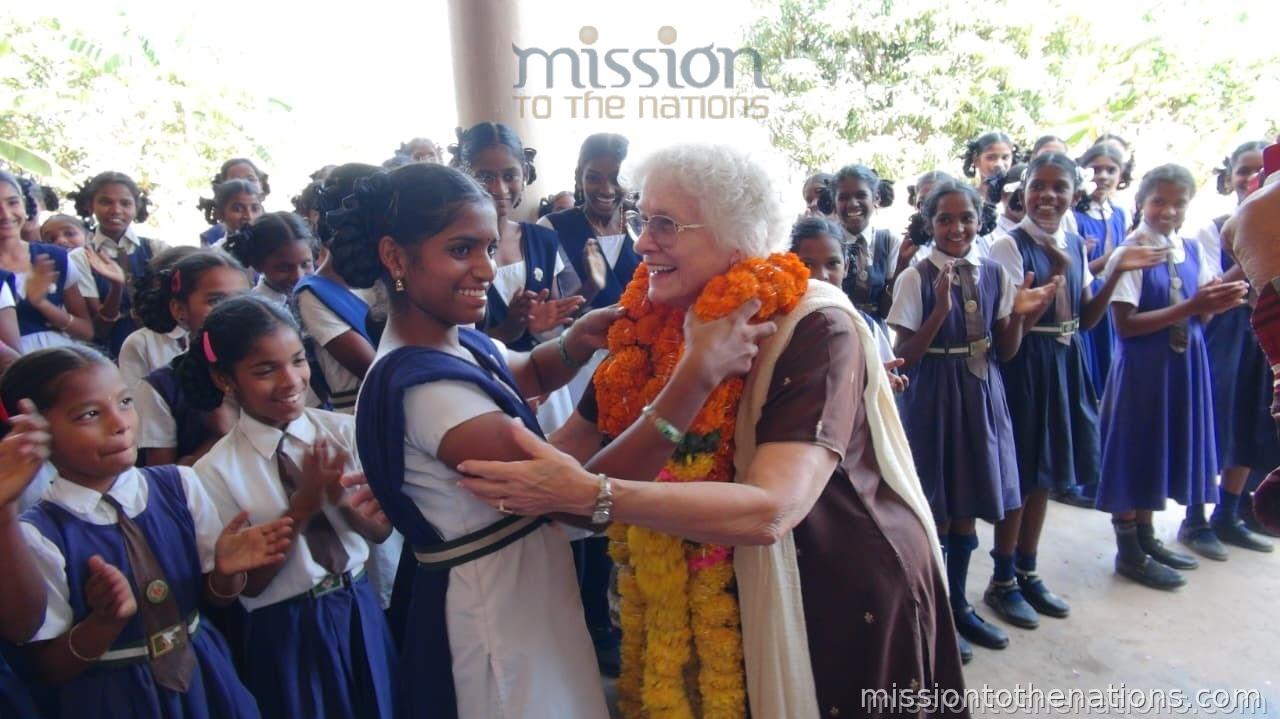
Luxembourg Foreign Ministry Project — 2025–2026
Our most rigorously documented project — funded by the Luxembourg Foreign Ministry and delivered in partnership with AIAE Luxembourg. Clear targets, GPS-verified installations, independently audited outcomes. A model for how transparent humanitarian work can be done. Read the full case study — baseline conditions, activities delivered, and all 4,457 girls reached.
Community Health Outreach
Infrastructure alone does not change behaviour. MTN extends its sanitation and menstrual health work into the communities around each school — reaching mothers, health workers, and village leaders to address the stigma and misinformation that keep girls home in the first place.
A girl can have a private toilet at school and still stay home — if her mother believes menstruation makes her impure, or if she has no supplies and cannot afford them. The infrastructure and the awareness work have to happen together. One without the other is not enough.
Changing behaviour in the community. Keeping girls in school.
Keep a Girl in School
Lakshmi stopped going to school at twelve — not because she wanted to, but because there was no private toilet and she had no choice. A toilet block changed that. Your gift builds the next one, for the next girl who is one facility away from staying in school.