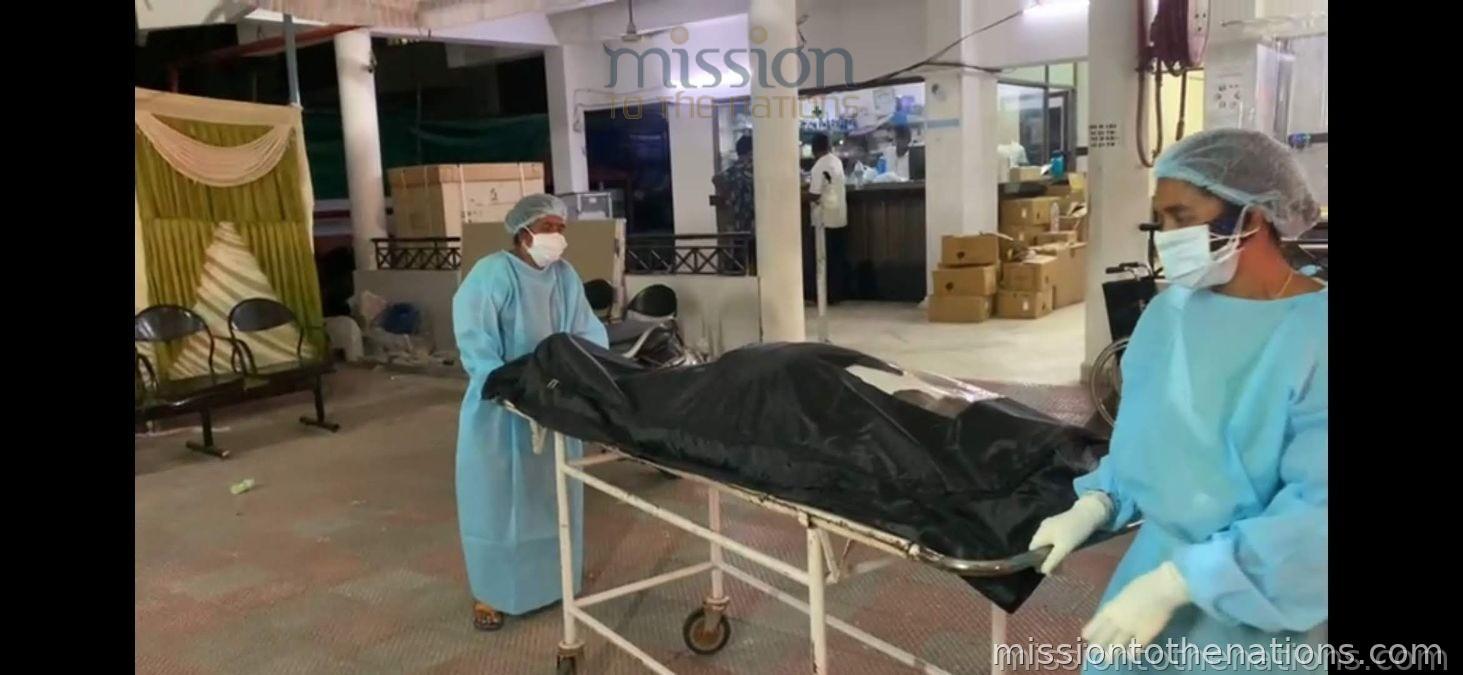
Samuel, 74 — his son left him at the hospital and did not come back. Our staff did not leave.
His son brought him in during the second COVID wave. He was poor. He was afraid. He had a family of his own to protect. He left his father in the ward and did not return. Samuel waited for seventeen days. Our staff stayed with him every one of them.
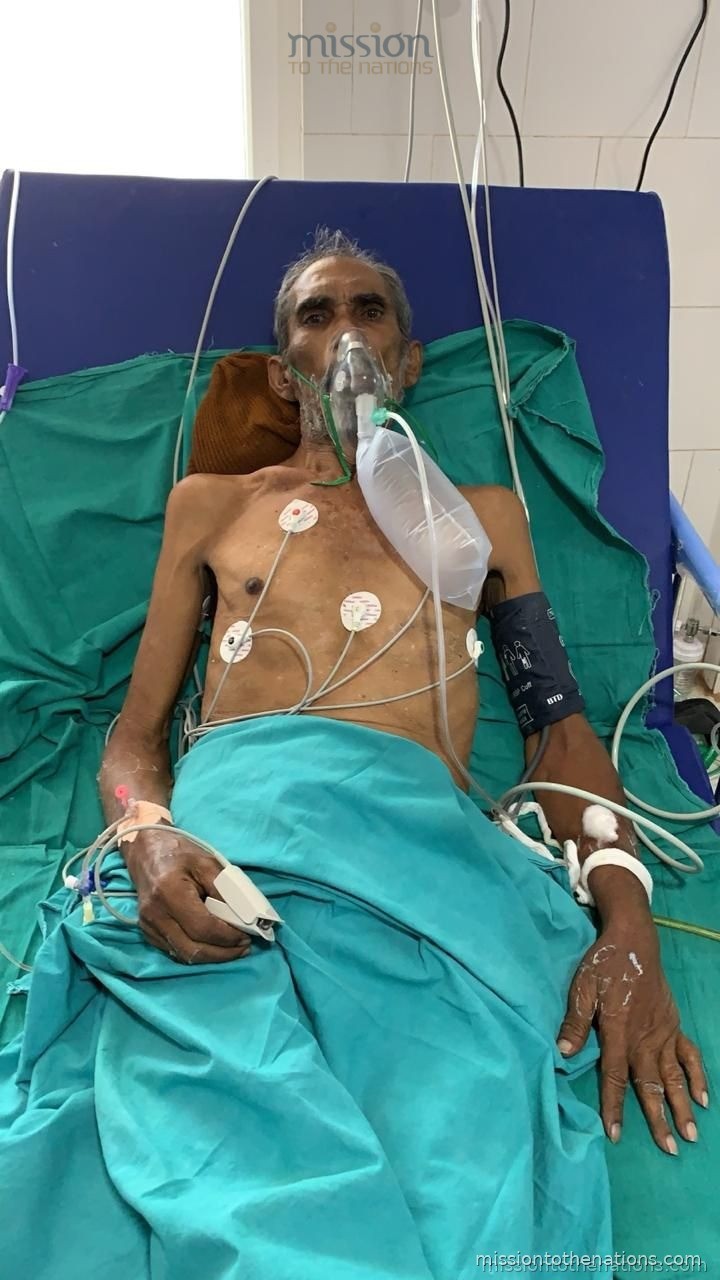
“You people treated me like I was worth something.”
Samuel's son brought him in on a Tuesday morning. He filled out the admission form, handed over a small bag of Samuel's clothes, and said he would be back the next day. The nurse noted the time. She noted it again the following morning, when he had not come.
He did not come the day after that either.
By day four the staff understood. Samuel was a poor man with a son who had his own children to feed and his own fear to manage. COVID was still killing people. The ward was full. The son had made a calculation — perhaps the only one available to him — and left his father in the hands of strangers.
Samuel did not understand this yet. He kept asking. Every morning he asked if anyone had come for him. Every morning the answer was the same. The staff did not lie to him. They also did not leave him alone with the answer.
During the second wave the oxygen ran short. Cylinders that normally arrived in two days took eight. The team rationed what they had, monitoring every patient every twenty minutes through the nights, adjusting, calculating, holding the line. Samuel was one of the patients who needed it. He got it. Everyone in that ward got what they needed, because the staff made sure of it.
He recovered slowly. His lungs were not young. But by day twelve he was sitting up. By day fifteen he was eating properly. On day seventeen the doctor cleared him.
He sat on the edge of the bed that last morning for a long time before he said anything. Then he said: you people treated me like I was worth something. The nurse told him he was. He looked at her for a moment like he was deciding whether to believe it.
He left with the church elder from his village, a man the staff had found through three phone calls and a contact two towns over. Not his son. But someone.
He is well now. He has been back twice for check-ups. He comes with his neighbour. He does not talk about his son. The staff do not ask. There are things that heal and things that don't, and sometimes the most you can do is make sure the person in front of you knows they are worth something. That part, at least, they got right.
- •74 years old; admitted during the second COVID wave with critically low oxygen saturation
- •Required continuous supplemental oxygen — arrived at the height of a national oxygen shortage
- •No income, no savings; could not have afforded private hospital care
- •No other family contacts; alone in the ward with no one coming
- →Admitted to MTN's COVID isolation ward; oxygen rationed by hand as national supplies ran short
- →Monitored every twenty minutes through the nights for the full seventeen days of his stay
- →Staff sat with him when he was frightened — not with reassurances they could not keep, but with presence
- →Care team traced village contacts before discharge and arranged a church elder to meet him on release
- →Kept in care until the doctor was certain — not discharged until fully stable
- ✓Discharged alive and stable after seventeen days — every patient in that ward survived the week
- ✓Lung function recovered; no longer oxygen-dependent
- ✓Left with a community connection he had arrived without
- ✓Returned to the clinic twice for follow-up; attends with a neighbour
- ✓In his own words: well, and not bitter
Name has been changed to protect privacy. Statistics are reported by programme teams and reviewed at our annual audit.